
Call for retrofit to be treated as place-based health intervention
 Reading time: 3 minutes
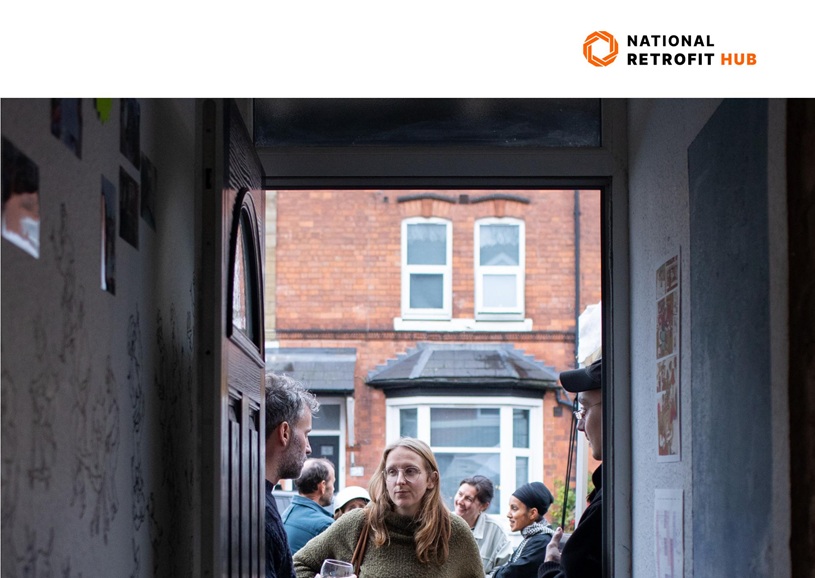
Retrofit must be understood as a place-based approach that shapes health, wellbeing, and everyday life, not simply a building upgrade, a new insights paper has argued.
Health, Place & Retrofit: Findings and Recommendations for Change builds on challenge themes identified in the National Retrofit Hub’s State of the Nation report published in 2024, which found that current definitions of retrofit are often too narrow. While reducing carbon emissions, tackling fuel poverty, and lowering energy bills remain essential, the report highlighted that these framings do not always reflect what matters most to people in their homes and neighbourhoods: health, comfort, and day-to-day quality of life.
The new paper makes the case that retrofit must continue to meet statutory obligations on emissions reduction and fuel poverty alleviation, while also responding to the lived experiences of communities and the distinct identities of places. It argues that enabling communities to have a real and meaningful say in how outcomes are defined and achieved is critical to delivering lasting benefits.
The paper also highlights that most retrofit programmes still rely on predicted performance rather than measuring how homes actually perform once work is complete, despite repeated national audits calling for stronger outcome monitoring. Evidence shows that many of the benefits of retrofit are social and health-related, including improved comfort, reduced damp and mould, and better wellbeing, yet these outcomes are rarely captured or valued.
Developed through a highly collaborative process, the paper was produced in partnership with Impact on Urban Health, Arup, and TrustMark, with strategic input from the Royal Academy of Engineering. It also draws on collaboration with Centric Lab and research contributions from Dr Kate Simpson, alongside insights from many practitioners, policymakers, community organisations, and residents who took part in workshops and interviews.
The paper sets out some key recommendations, including:
- Broaden how success in retrofit is defined, so health, comfort, and lived experience are valued alongside energy and carbon performance.
- Measure real world outcomes, not just predictions, by embedding post intervention monitoring to understand how homes actually perform once work is complete.
- Support communities to shape and assess outcomes, including through place-based approaches such as Community Health Impact Assessments.
Sara Edmonds, co-director of the National Retrofit Hub, said: “Retrofit is too often framed as a technical fix, when in reality it shapes people’s health, comfort, and daily lives. This paper shows that if retrofit is to succeed, we need to understand how homes are used in practice, how places differ, and how communities experience change. Measuring what matters, and listening to the people most affected, is essential if retrofit is to deliver lasting benefits.”

Share this article:

Subscribe to our newsletter to not miss articles like this one:
 SUBSCRIBE