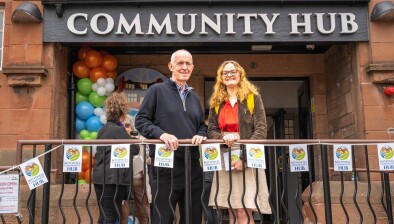


Communities step in as local building closures rise across Scotland
 Reading time: 2 minutes
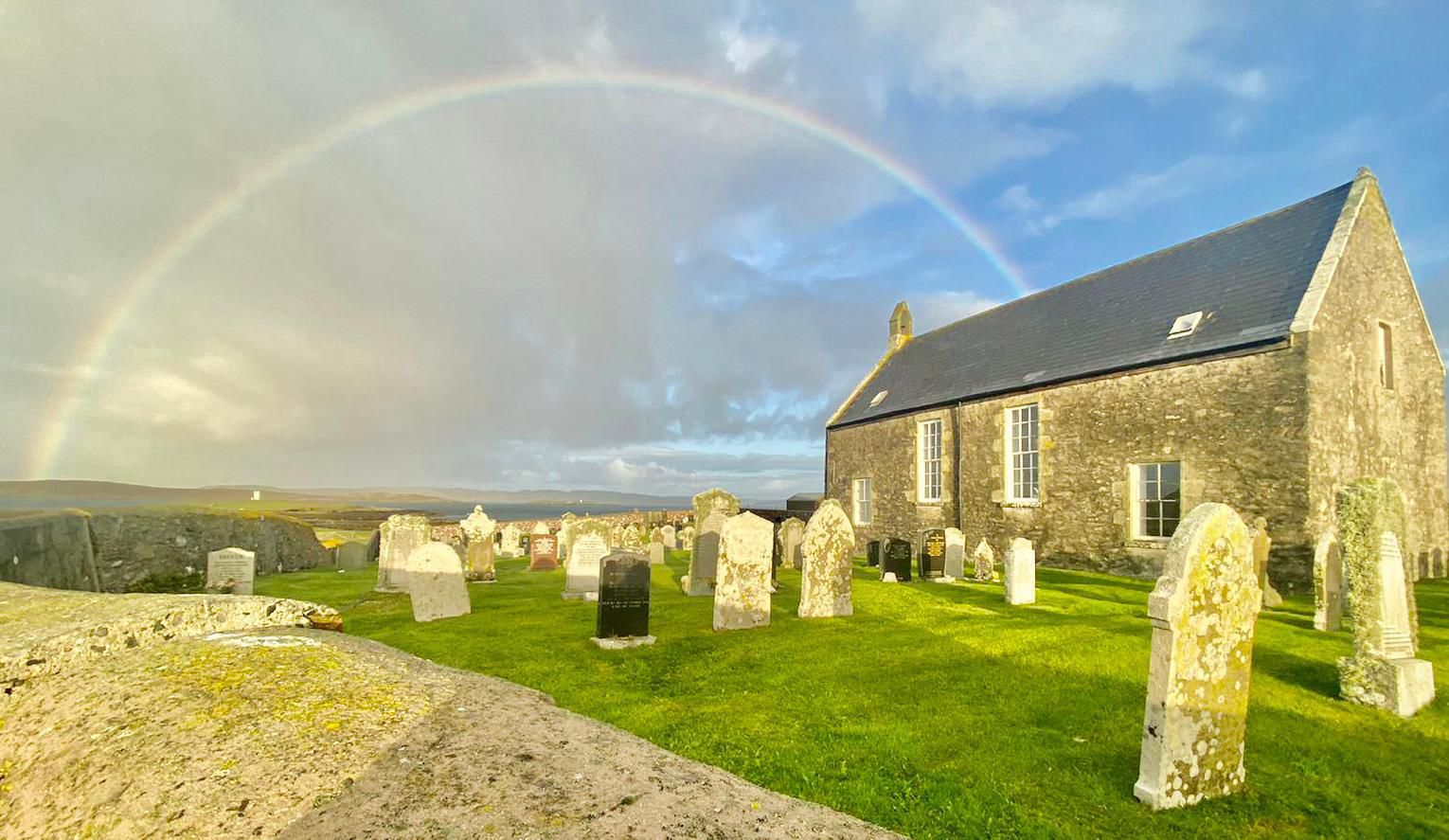
Whalsay Kirk
New research by Development Trusts Association Scotland (DTAS) shows a record 320 communities moved to buy or lease local buildings in Scotland in the past 12 months – an increase of 300% since 2024.
There is now a significant number of buildings in community ownership across Scotland, ranging from libraries and community centres to primary schools, police stations and post offices, as local groups work to revive their town centres and neighbourhoods.
This momentum is particularly pronounced in Dumfries and Galloway, the Highlands, Glasgow and Fife, where the highest number of communities have taken matters into their own hands.
Across the country, much of the growth during this time is being driven by the transfer of former places of worship, with communities seeking ownership of 63 churches.
In Shetland, for example, six churches have been purchased through direct donations and grassroots fundraising – including raffles and bake sales – for as little as £10,000 to £68,000. Around one-third of Shetland’s church buildings are now under community ownership and are being used as arts venues and social enterprises.
Despite this growing momentum, community groups continue to face significant barriers to their ownership bids including complex legal processes, funding gaps and competition from commercial buyers.
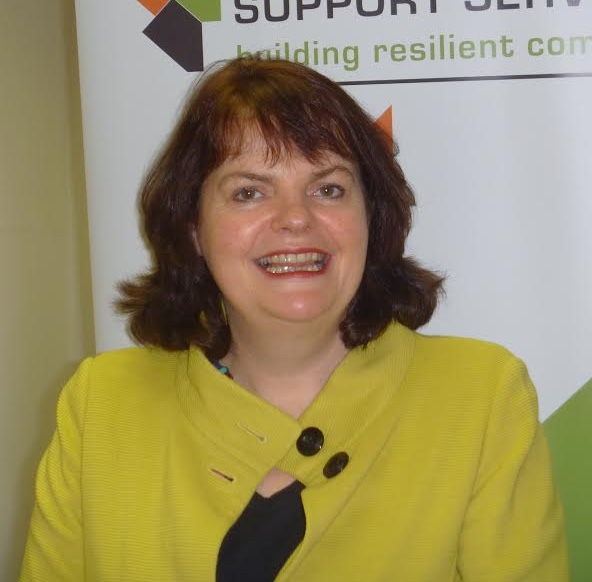
Linda Gillespie – Head of community ownership at DTAS
Linda Gillespie, head of community ownership at DTAS, said: “We’re seeing a marked increase in communities stepping forward to take control of local buildings, especially former places of worship. These buildings have long been at the heart of local life and, without action, risk sitting empty or being lost altogether.
“Community ownership is helping to protect essential services, create jobs and breathe new life into towns and villages. But the process is still too complex and competitive for many groups. Without the right support, there is a real danger that communities will lose out to private developers or see valued local assets disappear.”
In response to the rising enquiries, DTAS has produced a new Churches Crowdfunder Guide to support communities taking on local buildings. The resource gives practical guidance on how to run a successful crowdfunding campaign and is illustrated with recent case studies.
Groups can access the guide on DTAS’s website here.

Share this article:

Subscribe to our newsletter to not miss articles like this one:
 SUBSCRIBE