

Edinburgh tourist levy to fund hundreds of affordable homes
 Reading time: 3 minutes
Edinburgh’s new tourist tax is set to play a major role in tackling the city’s housing emergency, with income from the levy earmarked to deliver more than 470 affordable homes across three major developments.
The Visitor Levy is a 5% charge on overnight stays in hotels, guest houses, B&Bs, short-term lets and campsites, capped at five nights. Coming into effect in October for bookings after July 2026, it is forecast to raise £100 million in its first three years, and around £50m annually thereafter.
While the money will also support wider city projects such as street cleaning, lighting, pedestrianisation, arts and tourism marketing, the City of Edinburgh Council has ring-fenced £5m a year for housing through a dedicated “housing and tourism mitigation fund.”
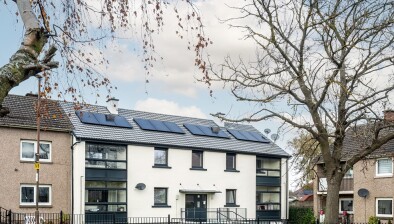
According to a report going before councillors on December 2, the levy will help fund 472 new affordable homes at Fountainbridge, Meadowbank and Coatfield Lane in Leith. Of these, around 361 will be for social rent, the most in-demand tenure, and 111 for mid-market rent.
Officials say the provision of new permanent social rented homes will allow households currently placed in unsuitable B&B temporary accommodation to move into settled housing. This would free up B&Bs to return to the visitor economy, aligning housing policy with tourism needs.
The mid-market homes, particularly at Fountainbridge and Meadowbank, are expected to be let to workers in the hospitality and tourism sectors.
The Fountainbridge homes will form part of the larger regeneration of the former Fountain Brewery site, which includes 436 homes in total, alongside offices and shops. Meadowbank and Coatfield Lane are also scheduled to begin construction between 2026 and 2027.
Members of the Edinburgh Visitor Levy Advisory Forum (EVLAF) had sought clarity on whether housing investment was a legitimate use of levy funds. The report notes “general agreement” that moving people out of temporary accommodation and returning B&Bs to tourism use was consistent with the legislation passed at Holyrood.
Officials also raised the possibility of prioritising council homes for those working in the visitor economy. However, they cautioned that this would require consultation and changes to the council’s allocations policy, since employment information is not currently collected in housing applications.
With more than 5,000 households registered as homeless in Edinburgh, councillors have repeatedly pressed for levy income to be directed towards alleviating the crisis. The report argues that using levy funds, alongside rental income, will support borrowing of around £70m, freeing up resources in the wider housing budget for further investment.

Share this article:

Subscribe to our newsletter to not miss articles like this one:
 SUBSCRIBE