





England: Allocation policies block housing access for domestic abuse survivors, report finds
 Reading time: 3 minutes
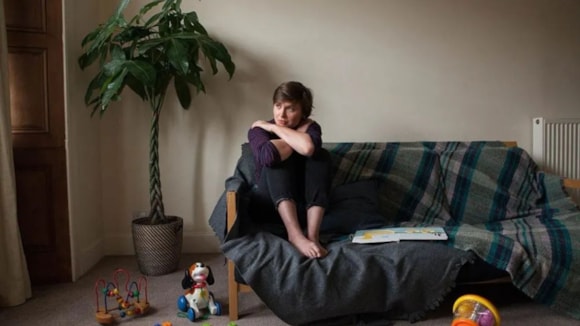
The Chartered Institute of Housing, in collaboration with King’s College London and Oxford Brookes University, has released a new report examining the housing challenges faced by survivors of domestic abuse who are burdened by debt.
The report sets out how local authority and registered provider policies and practices can be reformed to improve outcomes for survivors.
Drawing on extensive research by two of the report’s authors, Mel Nowicki and Katherine Brickell, who analysed the allocation policies of local authorities across England, the findings highlight an urgent need for housing providers to reassess their allocation policies, and how they support individuals escaping abusive situations.
The research shows that housing-related debt rules frequently trap survivors in temporary accommodation, blocking them from bidding for social housing until their debts are cleared. This compounds trauma, restricts housing options and limits their emotional and financial recovery.
While recent legislative changes including the Domestic Abuse Act 2021 and the Social Housing (Regulation) Act 2023, have strengthened protections for survivors, the report makes clear while the barriers posed by housing-related debt rules remain many survivors will be disadvantaged by the housing system.
To address these issues, CIH sets out several actionable recommendations for housing providers. These include implementing prevention strategies, reconsidering allocation policies, clearing arrears, and introducing Flexible Funding schemes.
The report also emphasises the importance of shifting organisational culture and practices to ensure the unique housing histories and personal circumstances of each housing applicant are considered in allocation decisions.
The findings of this report are both timely and critical. Households can be unable to access the housing register over a relatively small amount of debt (for example, £250), while spending on temporary accommodation last year reached £2.8 billion.
The report urges government, local authorities, and housing associations to engage with its insights and take meaningful action to foster a supportive environment for survivors.
It serves as a vital resource for policymakers, housing providers, and advocates working to address the interconnected and complex dynamics of domestic abuse, housing insecurity, and debt, to create a more equitable housing landscape that supports all individuals in need of a safe and secure place to call home.
Stephanie Morphew, policy lead at CIH, said: “Debt and the costs associated with fleeing an abusive relationship can, and do, hinder survivors ability to access to safe, permanent housing. Survivors of domestic abuse often face financial insecurity further compounded by economic abuse, the cost of living crisis and navigating the homelessness system. This is a critical issue that requires meaningful action from the government and housing providers to ensure everyone has a safe place to call home.”
Mel Nowicki, author, Debt Trap Nation, said: “We know that economic coercion and control is a major component of domestic abuse, often leading to rent arrears and other forms of housing-related debt. And yet, across England, many allocation policies are in effect barring domestic abuse survivors from accessing social housing because of these debts.”
Katherine Brickell from Debt Trap Nation added: “In this report, we spotlight and celebrate the councils and housing associations who are proactively working to make valuable change by providing much needed support for survivors at risk of or experiencing homelessness.”
Alison Inman OBE, former CIH president, said: “Housing-related debt should not be a barrier to safety and security. Economic abuse goes hand in hand with other forms of domestic abuse and this often leads to rent arrears. It is time to revisit allocation policies that stand in the way of domestic abuse survivors accessing council and housing association homes at the time they need them most.”

Share this article:

Subscribe to our newsletter to not miss articles like this one:
 SUBSCRIBE

