

Frontline homelessness workers ‘suffering stress, grief and burnout’
 Reading time: 4 minutes

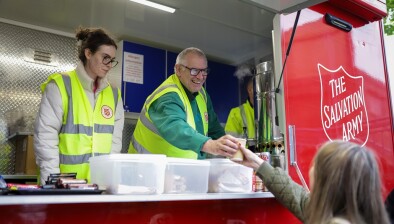
The University of Stirling has published a new paper which has highlighted the stress, grief and burnout faced by frontline workers as they deal with growing numbers of people experiencing homelessness.
People experiencing homelessness are more likely to face poor physical and mental health, substance use, and premature death than those with housing. According to the paper, the impact of this on those working in homelessness services is having a lasting negative impact.
The review found that frontline homelessness services workers reported psychological distress, grief, heightened stress and burnout, yet had no formal interventions beyond organisational support.
Funded and commissioned by The Salvation Army, the authors conducted a systematic review of the literature to better understand the pressures experienced by people working with vulnerable clients living with chronic levels of ill health and who are often at risk of fatal overdose.
The review, conducted by the University of Stirling-based Salvation Army Centre for Addiction Services and Research, examines the impact of frequent exposure to sudden deaths among frontline homelessness staff.
The systematic review looked at data from six existing studies, incorporating 400 participants, and found that workers used formal and informal organisational support, as well as personal coping strategies such as boundary setting.
Jessica Greenhalgh, research assistant at the University of Stirling and lead author of the review, said: “Our findings show the psychological impact on homelessness workers of repeated exposure to client death. These workers are in a different position to emergency workers, as the people they support are usually known to them, from repeated interactions.
“It is imperative that structured, evidence-based support is provided to these staff, to avoid the risk of stress, burnout and staff leaving their jobs – especially at a time when homelessness is such a mounting public and political concern.”
While The Salvation Army’s harm reduction approach has placed a significant focus on reducing harm to staff, the church and charity has welcomed this research as a way of affirming that approach and developing it further in support of officers and employees working across services in the UK and Ireland.
Lee Ball, The Salvation Army’s director of addictions, said: “This report is hard to read, but it is right that these experiences are spoken about. It shines a light on something many frontline workers know only too well. When you spend months or years alongside people, supporting them through some of the most difficult periods of their lives, you don’t leave those relationships at the office door.
“When someone dies, it hurts. That’s the simple truth. What this review does so well is give voice to the grief, stress and emotional weight that can come with frontline work. These are difficult conversations, but they are honest ones, and they matter.
“We’ve always believed that harm reduction is as much about looking after our workforce as it is about looking after the people we support. It’s encouraging to see many of the ideas in this review reflected in the way we already think and work, but we should never stop asking how we can do better.
“Our staff are our most valuable asset. If we want compassionate, relationship-based support for people experiencing homelessness, poor mental health, substance use and sometimes trauma, we must be just as committed to caring for the people who provide it.”
The paper is published in the Journal of Social Distress and Homelessness. The review was funded as part of the work conducted by the Salvation Army Centre for Addiction Services and Research.

Share this article:

Subscribe to our newsletter to not miss articles like this one:
 SUBSCRIBE