

Jeremy Bushnell: Why homelessness must remain a policy priority
 Reading time: 3 minutes
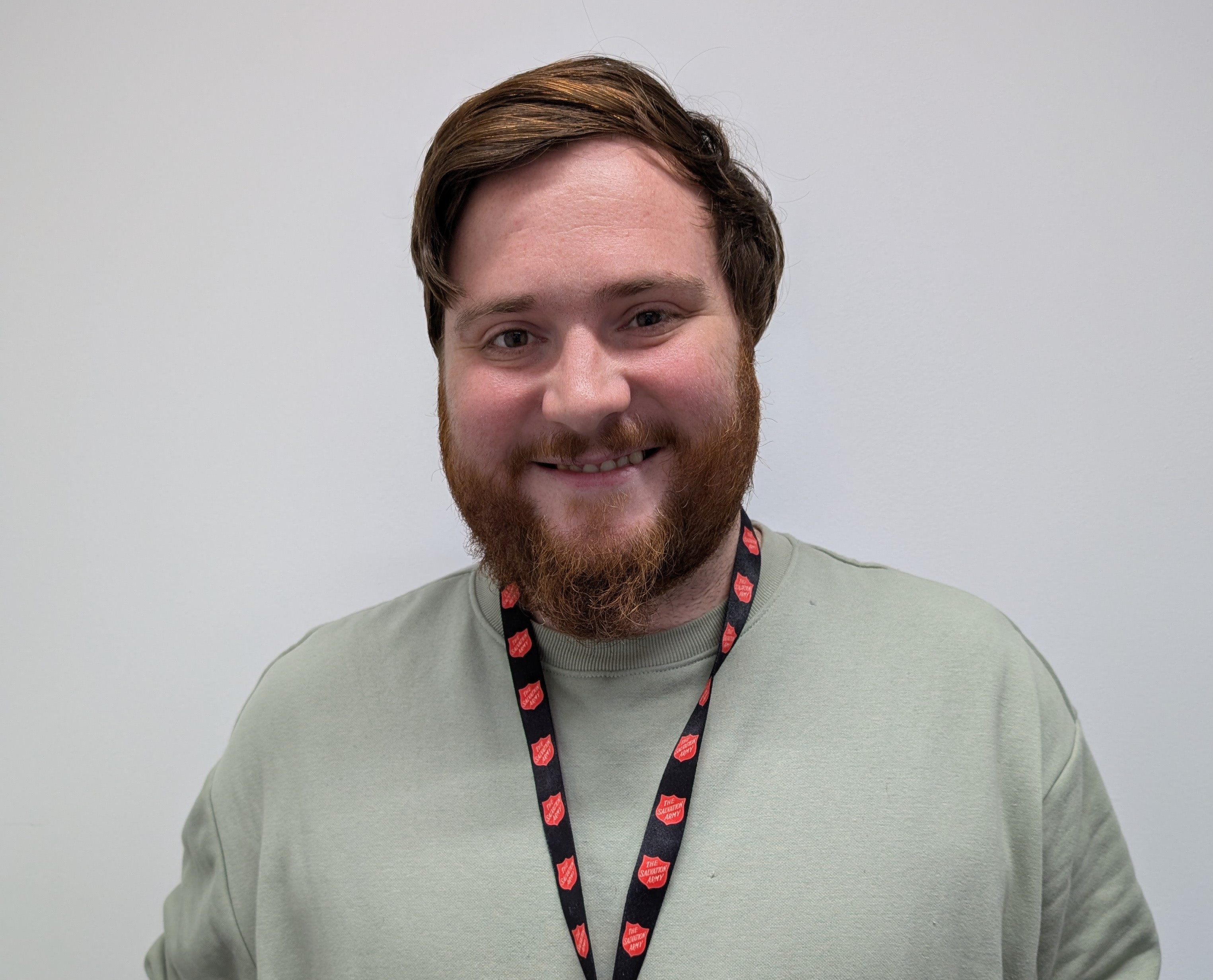
Jeremy Bushnell
The Salvation Army’s Jeremy Bushnell looks ahead to the publication of new homelessness statistics and what they could signal as Scotland moves towards another election.
This week, data published by the Scottish Government will set out how many people received support for homelessness from their council in the first half of this financial year. As the final release ahead of the election, it’s a moment to reflect. Until these statistics show homelessness is a thing of the past, it must remain a policy priority for the next Scottish Parliament.
Background noise will increase in volume as the election approaches; political parties, their supporters and critics will hammer out priorities likely to win votes. With a household becoming homeless every 15 minutes in Scotland, we must ensure that the issue of homelessness cuts through that noise.
The Salvation Army is one of the largest providers of homelessness services in the UK. In those services, we are reminded daily that breaking the cycle of homelessness often requires much more than a roof. This might include support for addressing addiction or poor mental health, training and employment skills right through to budgeting and support with independent living. People navigating homelessness show enormous resilience, even while facing all manner of barriers. By standing alongside, we aim to support people to thrive not simply survive.
Significant challenges remain to accessing this support so vital for ensuring people can maintain a tenancy. Our report Breaking the Cycle highlights the barriers to getting help with addiction and mental health for people experiencing homelessness. Limited availability of professional addiction support at weekends, for example, or dual diagnosis of addiction and mental health, which can prevent people receiving help with either issue. Surely, we ought to be past the stage where anyone is prevented from accessing addiction support due to mental health issues or vice versa?
Working on policy across the UK, I often use Scotland as the benchmark. Some of the world’s most progressive homelessness legislation is in place right here. For example, in England we are campaigning for the abolition of priority need, which Scotland enacted back in 2012. Even the common criticism levelled at Scotland − not enough focus on prevention − has been tackled in part with the recent inclusion in the Housing Act of the Ask and Act duty for public bodies, which we would now like to see implemented fully.
Scotland has much to be proud of when it comes to homelessness. With that in mind, it is essential to avoid complacency or lose sight of the human cost contained in the latest stats. With the rising cost of housing, families are being forced into unsuitable or temporary accommodation with all the stress that brings. Many more people are experiencing insecure housing or even rough sleeping. The vital role of housing support and access to treatment should also continue to sit alongside housing-based solutions to homelessness.
At the sharp end, despite the best efforts of councils and the third sector, we know from our own data that more than a quarter of those coming into services have experienced rough sleeping. Living on the streets puts people at increased risk of violence, abuse, ill health and early death. Measures to prevent this, and all forms of homelessness, must be front and centre going into this election.
Jeremy Bushnell is policy lead – homelessness and addictions at The Salvation Army.

Share this article:

Subscribe to our newsletter to not miss articles like this one:
 SUBSCRIBE