

New Perth and Kinross rent strategy to give greater certainty over housing investment
 Reading time: 3 minutes
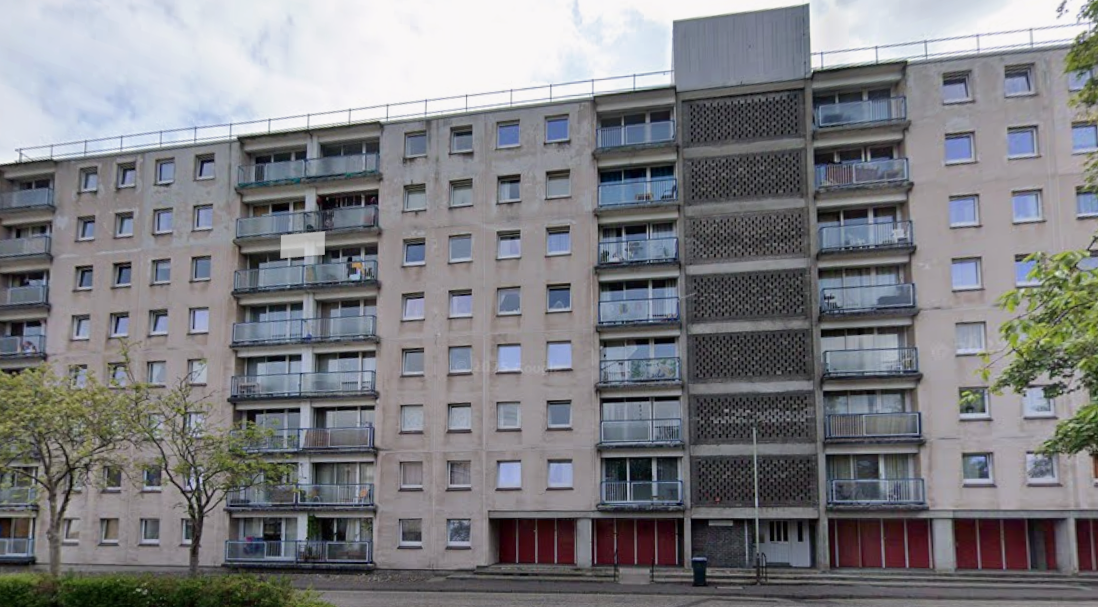
Image: Google Street View
Perth and Kinross Council is to consider a new five-year rent strategy designed to give council tenants greater transparency and certainty over how future rents are set.
The Housing and Social Wellbeing Committee will discuss the Perth and Kinross Council Housing Revenue Account (HRA) Rent Strategy when it meets on 25 November 2026. The strategy sets out the framework that will be used to develop and consult on annual rent proposals, balancing affordability for tenants with the need to maintain services and invest in homes and communities.
Importantly, the strategy does not approve future rent increases. If approved, rent levels will continue to be considered and decided each year, taking account of up-to-date financial information, affordability analysis, tenant consultation and elected member input.
The new approach has been developed to give tenants a clearer picture of the pressures and priorities which influence rent decisions and a better understanding of what their rent pays for. Rents are currently determined through the annual budget-setting process, which provided less visibility of longer-term investment needs and financial pressures.
Affordability will remain central to the new process. The council will undertake an affordability assessment each year, using a 30% rent-to-income benchmark as a guide and comparing council rents with neighbouring local authorities, housing associations, Local Housing Allowance levels and private and mid-market rents. The impact on different household types, including low-income households and families with children, will also be considered.
The strategy supports planned investment of £182.2 million between 2027/28 and 2031/32. This includes £72.5m to improve existing council homes, £45.8m for new affordable homes, £33.1m for energy efficiency and climate-related improvements, £18.7m for regeneration and property improvements, and £12.1m for other priorities including neighbourhood improvements and Gypsy/Traveller sites.
Tenants would continue to have a direct role in shaping rent proposals. Engagement will take place through tenant events, surveys, consultation activity, the HRA Working Group and a tenant vote on proposed rent options. Committee reports will explain what each option would mean for weekly rents, services, housing investment and the longer-term financial position of the Housing Revenue Account.
The council’s Housing Revenue Account is ring-fenced, meaning rent paid by council tenants can only be used to support council housing. This includes housing management, repairs, safety work, improvements to existing homes, new and acquired homes, neighbourhood investment and repayment of housing-related borrowing.
If approved, the new strategy will be monitored annually and formally reviewed at least every five years, or sooner if there are significant changes to economic conditions, legislation, regulation or local circumstances.
Housing and Social Wellbeing convener Councillor Tom McEwan said: “We know household budgets remain under pressure, so it is important that tenants have as much clarity as possible about how decisions on rents are made and what their rent pays for.
“This new strategy will give us a clearer, longer-term approach, balancing affordability for tenants with the investment needed to maintain and improve our homes, build new affordable housing and provide good-quality services.
“It would not predetermine future rent increases. Those decisions would continue to be made each year, based on the latest financial and affordability information and, importantly, after listening to the views and priorities of our tenants.”

Share this article:

Subscribe to our newsletter to not miss articles like this one:
 SUBSCRIBE