
People in South of Scotland ‘denied basic rights to food, housing and health’
 Reading time: 3 minutes
Public authorities are denying people in the South of Scotland their rights to food, housing and health, Scotland’s human rights watchdog has found.
A spotlight report on economic, social and cultural rights (ESC rights) published today by the Scottish Human Rights Commission (SHRC) found that public authorities are not fully realising any of these vital rights in the region.
ESC rights cover basic needs like food, housing, healthcare and education. They are set out in the International Covenant on Economic, Social and Cultural Rights, which the UK ratified 50 years ago.
According to the report, people are losing local public services, including health and social care and some people have no secure home of their own and are living in hidden homelessness.
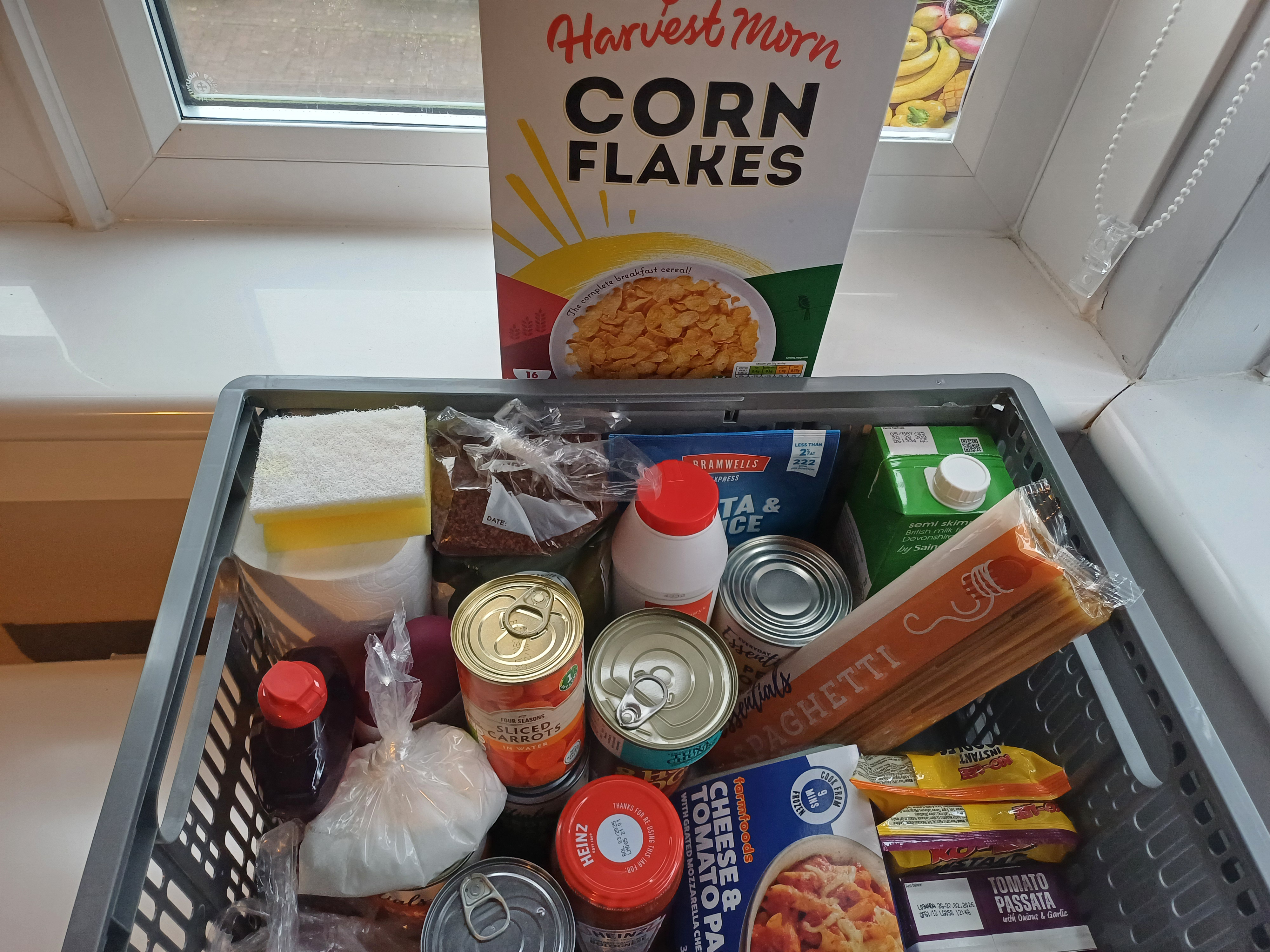
On food, more than half of survey respondents (55%) worry about affording food. Almost half (46%) rely on a food bank or know someone who does. Charities are left to feed people who go hungry, with little or no action from the State.
One survey respondent said: “Food is generally far too expensive. I have to limit my spending as a low-income person… families have to spend such a big percentage of their earnings on food.”
One local resident said: “There are some good voluntary services, but we should not have to rely on volunteers for basics like food.”
The SHRC found three barriers to people’s rights:
- accessibility: poor transport, including ferries, centralised services and digital exclusion keep people from the services they need
- affordability: rising costs force people to choose between food, heating and housing
- fragility: too much support depends on short-term funding, volunteers and goodwill rather than sustained public investment.
The SHRC found that inequality sits behind many of these barriers. Poverty, insecure incomes and low paid or insecure work make it harder for households to meet their basic needs. This is in addition to rising food and energy costs and some people cannot afford to heat their homes. Tackling poverty is a priority in the SHRC’s Strategic Plan 2024 to 2028 and these findings add local evidence to the SHRC’s poverty spotlight.
The SHRC is calling on the Scottish Government, the Scottish Parliament, local councils and NHS boards to act urgently. This includes strengthening human rights law and using the opportunity of public service reform to make better decisions about public funds to improve people’s access to basic economic, social and cultural rights.
The Commission wants public authorities to respond formally to the findings and report their progress to Scottish Parliament Committees.
Professor Angela O’Hagan, chair of the Scottish Human Rights Commission, said: “Economic, social and cultural rights are about our everyday lives and that means access to food, housing, transport and education, and even water.
“This new report highlights the gaps between the rights we are all entitled to and the lived reality of people’s lives across the South of Scotland, as their testimonies show. It is also a call to action for public authorities who manage and deliver services and who are duty bearers with obligations to protect and deliver on human rights obligations.
“People in the South of Scotland told us they feel distant from decision making. This report is about amplifying their voices and taking the evidence direct to the Scottish Parliament.”

Share this article:

Subscribe to our newsletter to not miss articles like this one:
 SUBSCRIBE