

£1.6m funding boost for Grangemouth Flood Protection Scheme
 Reading time: 3 minutes
The Grangemouth Flood Protection Scheme (GFPS) will move into a critical next stage after securing £1.6 million of additional funding from the Scottish Government, it was announced this week.
The funding supplements the £400,000 already agreed by councillors in November 2025 for the project, meaning up to £2m is now available to support this important next phase of work.
Falkirk Council is currently waiting on the findings of a local hearing on the GFPS, and once it has these, it will be able to use the funding to begin the further development of designs.
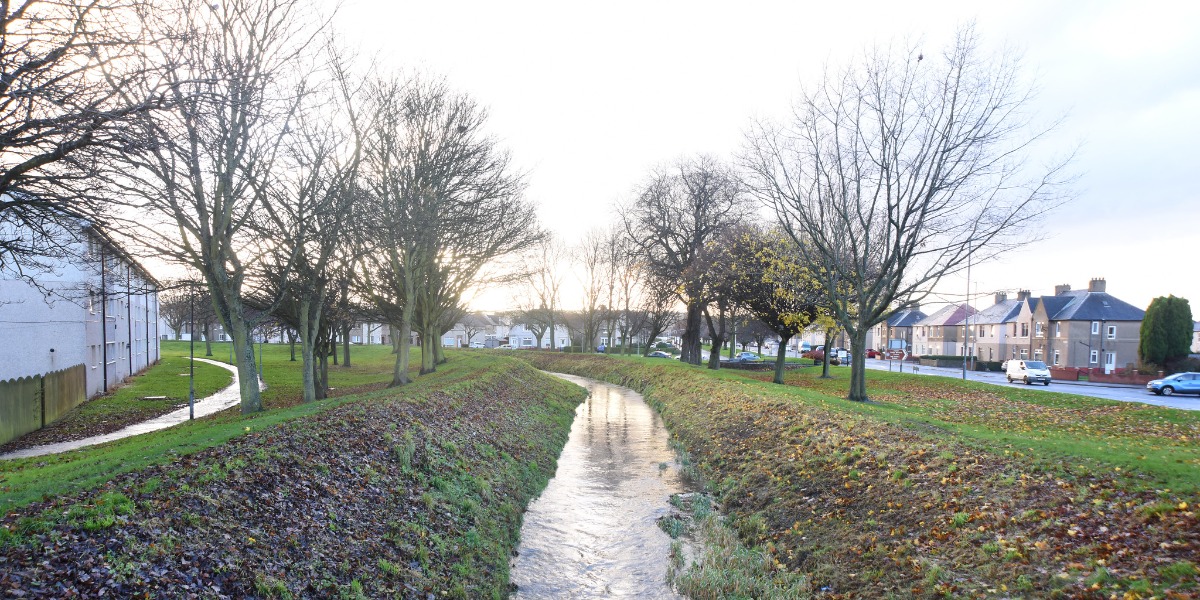
Proposals will concentrate on protecting the residential areas along the River Carron corridor, where homes and communities face significant flood risk. The site investigations, monitoring and initial design work will help shape the detailed engineering plans required to enable construction in the future.
The funding announcement is the culmination of one year of work by a joint taskforce led by the council and Scottish Government to review the overall Scheme and agree ways to phase delivery over many years.
The River Carron was agreed as the priority phase and officers are now going to develop plans that would ultimately allow a tender to be issued for a construction partner to begin building the first elements of the Scheme.
The Grangemouth Flood Protection Scheme is one of the largest proposed flood defence projects in the United Kingdom. It has an ultimate ambition to protect more than 6,000 people, around 2,760 homes and about 1,200 businesses and other properties.
The scheme takes its name from Grangemouth but covers a wider area along the River Carron. It is designed to help protect communities, including Wholeflats, Glensburgh, Langlees, Carron, Carronshore and parts of Stirling Road in Camelon, as well as Grangemouth itself. These areas sit close to the river and surrounding flood plains and face potential risk from both river and coastal flooding.
Malcom Bennie, director of place services, said: “This is a pragmatic approach that maximises the budgets available to continue to develop solutions that culminate in helping to protect local people, homes and businesses. The investment will pay for site investigations and initial design work needed for the first construction phase of the project.
“Once we have this information, the project team can start to make bids for the major investment needed from the Council and Scottish Government to bring the first phases of the project to life.”

Share this article:

Subscribe to our newsletter to not miss articles like this one:
 SUBSCRIBE