

Scotland can cut worst forms of homelessness by nearly half with current powers, new research finds
 Reading time: 3 minutes
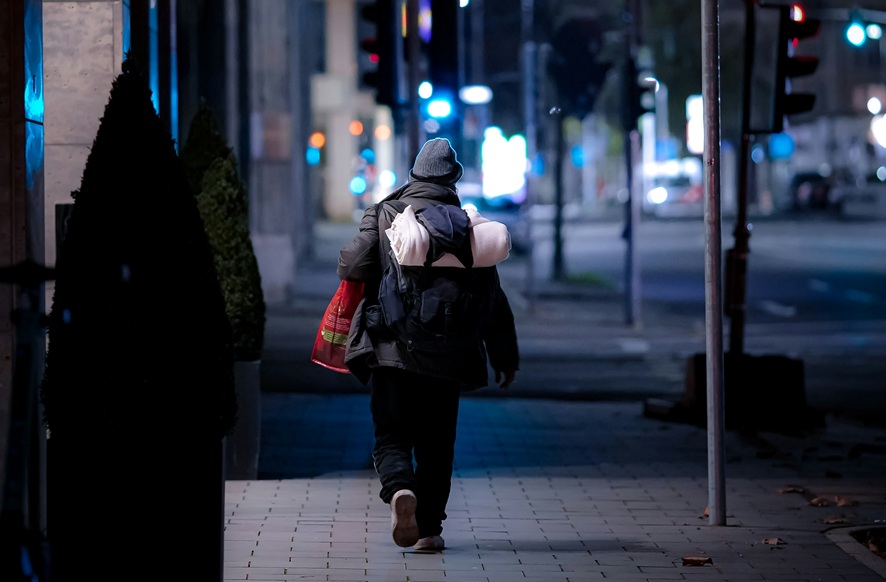
The worst forms of homelessness in Scotland could be cut by nearly half within this parliamentary term, according to major new research published today by the homelessness charity Crisis Scotland.
The Homelessness Monitor: Scotland 2026, led by Heriot-Watt University, modelled the effect of ten policy levers through to 2041. It finds that if current powers were used fully, core homelessness could fall from around 22,800 households to 12,150 by 2028, a reduction of 47%.
By 2031, unsuitable temporary accommodation would fall by 88%, hostel use by 66% and rough sleeping by 63%. The single most effective lever is allocating up to one in five social lets to people in the worst forms of homelessness, followed by full delivery of the prevention duties in the Housing (Scotland) Act 2025.
The research also carries a stark warning. On the current course, core homelessness stays essentially flat until 2041. Around 1,000 people are estimated to sleep rough on any given night, more than double the pandemic low, a record 19,004 households are in temporary accommodation, and around a third of Scotland’s 32 councils are in or at heightened risk of systemic failure in meeting their legal duties.
Crisis Scotland is calling on the Scottish Government to publish a costed delivery plan on the levers identified, and to fully fund the incoming Ask and Act prevention duties in the upcoming budget.
Maeve McGoldrick, head of policy and communications at Crisis Scotland, said: “This report makes it clear that ending homelessness for everyone is down to political choices. We can make significant strides towards this goal in a short space of time, if the will is there.
“We cannot continue to see a thousand people sleeping rough on an average night, record numbers stuck in temporary accommodation for eight months at a time, and councils breaching the law on B&B stays 8,000 times and turning people away 4,900 times in a single quarter, because they have nowhere to put them. That is the system as it stands.
“In one path, the worst forms of homelessness are halved within the next five years, rough sleeping is cut by nearly two thirds and unsuitable temporary accommodation is all but ended. In the other, we hold the current course and the numbers remain where they are today, come 2040. This is not a future bill to be passed or a decision for Westminster. It is for the Scottish Government to use the powers it already has, and to make a success of the world leading prevention framework already in law.
“So our ask of the Scottish Government is this: prioritise delivering the policy levers in this report, and fully fund the prevention Ask and Act duties in the upcoming budget. Homelessness in Scotland should be rare, brief and never repeated. This research shows us what that would take.”
Professor Beth Watts-Cobbe of Heriot-Watt University, the report’s lead author, said: “Some of the largest contributions to reducing homelessness come from measures within the control of local authorities, housing associations and the Scottish Government, rather than the UK Government.
“With no change to current policy, our projections show core homelessness in Scotland essentially flat for the next fifteen years. Inaction is not neutral. It is a decision, and an outcome we can and should avoid.”

Share this article:

Subscribe to our newsletter to not miss articles like this one:
 SUBSCRIBE