
Shona Stephen: 50 years of Queens Cross
 Reading time: 4 minutes
Shona Stephen
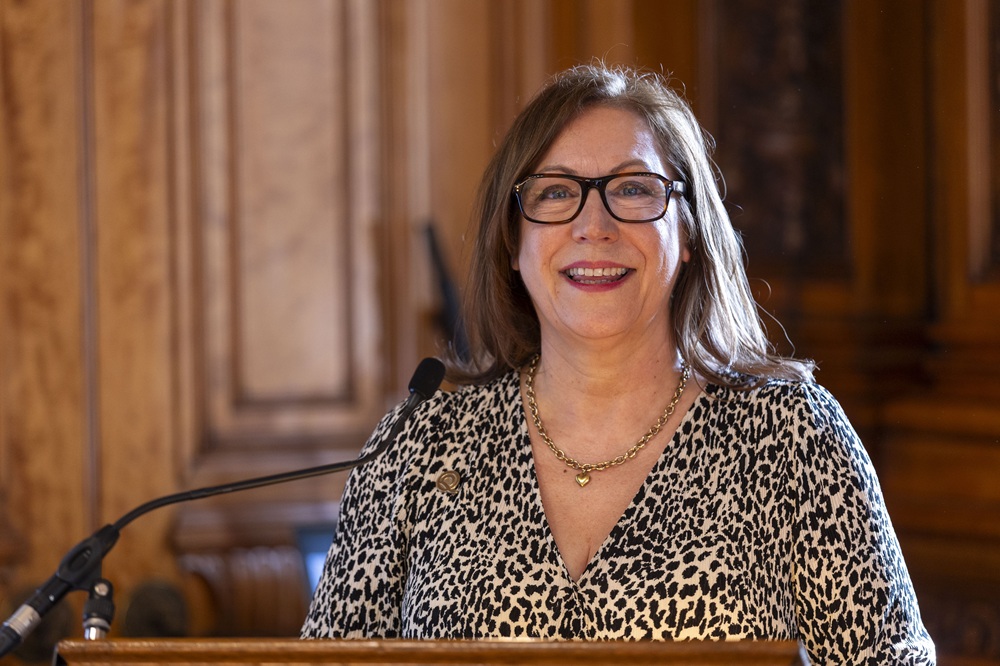
Queens Cross Housing Association chief executive Shona Stephen looks back over five decades of the organisation.
As we celebrate our 50th anniversary we can reflect that Queens Cross Housing Association looks very different from the organisation that began with 91 substandard tenement flats back in 1976.
This was a time when many of Glasgow’s inner-city communities faced enormous challenges. The construction of the M8 had cut through communities. In the Maryhill corridor, uncertainty over another proposed motorway extension from Charing Cross to Bearsden had blighted whole neighbourhoods causing the population of Queen’s Cross area to fall to less than 5,000 (from 25,000 in 1945) 80% of the population lost in 30 years, with the subsequent loss of amenities and services.
Too many people were living in damp, overcrowded and deteriorating tenements. Buildings were being demolished, vermin were multiplying, communities were being disrupted and local people often felt that decisions were being made about them, rather than with them.
Local residents came together because they believed their homes and neighbourhoods were worth fighting for. They believed that tenements could be restored rather than demolished; that communities could be renewed rather than dispersed; and, most importantly, that the people who lived in those communities should have a say in shaping their future.
That belief was at the root of one of Scotland’s most remarkable urban movements: community-based housing.
Queens Cross was born from the radical idea that local people could take responsibility for regenerating their own neighbourhoods.
Those early committee members were volunteers. They gave their evenings, their energy and their judgement to make decisions carrying enormous responsibility. They did so not because they expected reward or recognition, but because they cared deeply about the place in which they lived.
That principle remains at the heart of Queens Cross today.
During the late 1970s and 1980s, the immediate priority was to rescue and improve homes.
Tenement rehabilitation was difficult, practical work. It meant dealing with buildings that had suffered decades of neglect, while trying to preserve the streets and communities that gave the area its character.
These were not just property projects. Each building contained people’s lives, memories and relationships.
Queens Cross demonstrated that older housing could be given a new future and that regeneration did not have to mean erasing the past. It could mean investing in what was valuable, improving what was inadequate and allowing people to remain part of the community they knew.
Tenants were also clear that the existing tenements would not be enough. Local people wanted larger family homes and houses as well as flats. The area also needed supported housing for older people and specialist homes for people experiencing poor mental health. Meeting those different needs required the association to build and acquire a wider range of homes. In 1981, the association owned around 420 homes.
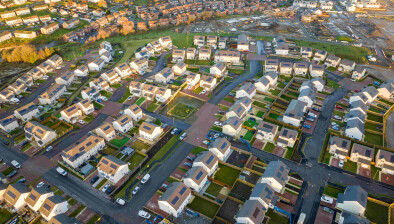
Today, we are landlord to almost 4,500. Across the decades, thousands of homes have been improved and around 1,400 new homes have been built where derelict or empty land once stood.
At the same time, the Association recognised something that would become increasingly important: a good home is fundamental, but housing alone cannot solve every problem.
Poverty, unemployment, poor health and isolation all shape people’s lives. A genuinely community-based landlord must understand the whole place—not simply the condition of its properties. Queens Cross Workspace was born providing properties for local businesses to grow and thrive.
Since then, it has been joined by Queens Cross Factoring to provide property management services to owners, ensuring tenements and new build homes are maintained for the future. Backed by our charitable arm the Queens Cross Foundation which disburses over £20 000 each year to individuals and groups in our communities.
All together, making the Queens Cross Group the community anchor in the north west of Glasgow that it has grown into today.

Share this article:

Subscribe to our newsletter to not miss articles like this one:
 SUBSCRIBE