

Written by:

Social housing funding ‘must keep pace with Passivhaus-equivalent building costs’
 Reading time: 3 minutes
Written by:
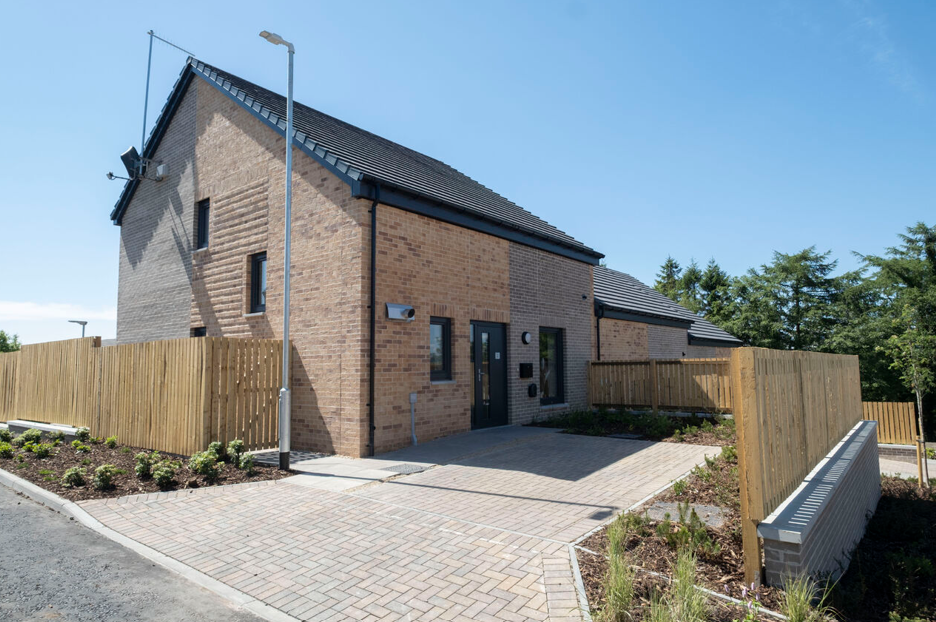
CIH Scotland has welcomed the Scottish Government’s push to improve building standards, but warned that plans for a Passivhaus-equivalent standard could undermine the delivery of social and affordable homes unless funding is increased.
In its response to Stage 2 of the Scottish Government’s consultation on building regulations, the housing body said it supports measures to improve energy efficiency, which it argued would help the homes built today remain fit for the future.
“Increased energy efficiency helps to reduce fuel consumption which maintains comfort while keeping bills low,” it agreed.
The organisation also noted that reduced energy demand and renewable heating are essential to Scotland’s climate ambitions, including the statutory target of net zero by 2045.
CIH Scotland had raised concerns in earlier consultation rounds about how practical a Passivhaus-equivalent standard would be to deliver, and what it would cost, particularly for social and affordable housing. It warned that, depending on how extra upfront costs are funded, rent increases could outstrip the savings tenants make through lower fuel bills.
The organisation acknowledged the government’s recognition of the challenges new standards could create, and its stated commitment to balance improved performance with deliverability. It also welcomed the extended deadline for compliance with the proposed new standards.
However, CIH Scotland is seeking firm assurance that Affordable Housing Supply Programme (AHSP) grant benchmarks will be revised to reflect the additional costs, so that building social and affordable homes remains viable.
Highlighting the latest AHSP outturn report for 2024/25, the organisation said: “… the average cost for a social home delivered by a registered social landlord (RSL) is £197,708 with a grant level of 62%. For local authorities, the average cost was £195,208 with a grant level of 44%. If grant rates are not maintained at least at these levels, delivery of much-needed new homes will continue to fall.”
CIH Scotland added: “The capital costs of the proposed new Passivhaus-equivalent standards will vary depending on the house type (whether it’s detached, semi-detached or flatted), and the heating system being used. Building costs are also higher in rural areas.
“While research suggests additional costs to meet Passivhaus standard would be as low as 2%, this would add around £4,000 to the cost of each new home at a time when social landlords are already struggling to make finances for new developments stack up.
“The consultation document draws on technical cost analysis commissioned to inform the proposed standard. The analysis sets out capital costs of achieving ‘good practice’ or ‘best practice’ for a range of building types and heat types. It shows a national cost (capital, maintenance and replacement) of between £213 million and £1,460m, respectively.
“Without additional grant funding to cover capital costs, the cost of increased borrowing will be passed on to tenants through rents, risking financial strain for low-income households.”

Share this article:

Subscribe to our newsletter to not miss articles like this one:
 SUBSCRIBE