

SSEN gets new backing for project to deliver less disruptive home electricity upgrades
 Reading time: 3 minutes
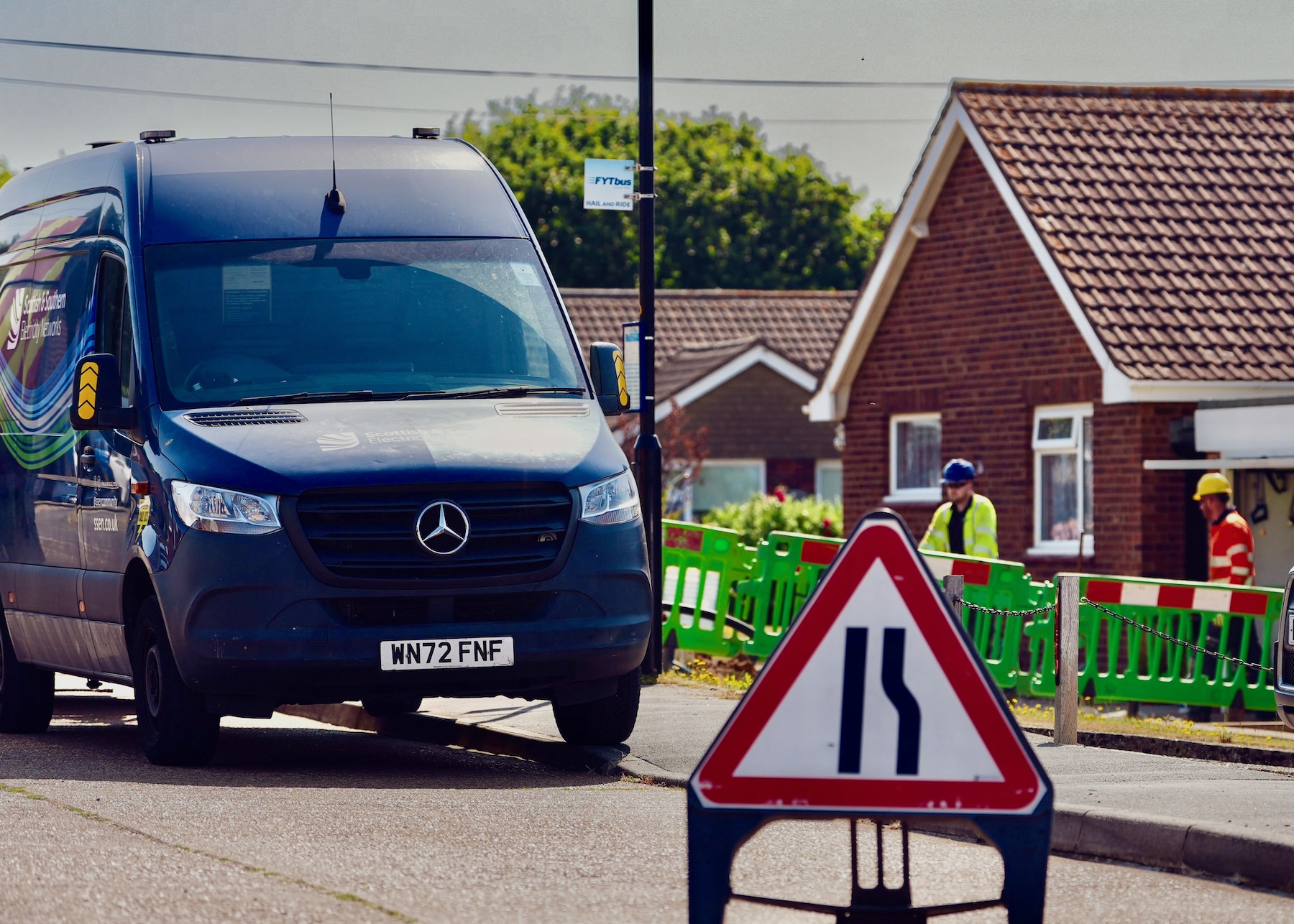
SSEN is already delivering the unlooping of supplies using currently-used methods (Photo SSEN)
An SSEN Distribution-led project into how necessary updates to domestic electricity connections can be delivered in a way that’s quicker and less disruptive for households has received backing for further development.
The Grounds for Change project considers ways the upgrading of electricity connections to provide the extra capacity for new Low-Carbon Technologies can be improved upon.
Around half a million homes in SSEN Distribution’s licence areas currently have what’s known as a looped electricity supply. This is where a cable from the street is shared between two adjacent properties. Many homes built in the post-war period were constructed with such connections on cost grounds, and because the current increase in power usage wasn’t envisaged at the time.
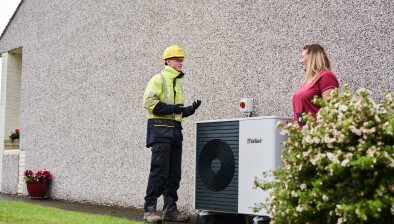
But the shift from gas central heating to heat pumps - and a big increase in EV ownership - means such properties now often need more electricity than a looped connection can deliver.
The unlooping of a supply needs a trench to be dug, often through a driveway or a garden, with works lasting for three days on average. The new backing for the Grounds for Change project will support the development of an array of alternative methods of unlooping a supply without having to dig a trench. The aim is to develop solutions that can be delivered in a single day.
The new methods to be tested employ excavation, narrow-slot installation and soil recycling. These will be tried out at SSEN-owned sites so no customer supplies will be affected during the trials.
Grounds for Change has been successful in securing Cycle 6 Alpha funding, from Ofgem’s Strategic Innovation Fund, which is delivered in partnership with Innovate UK.
Rhys Williams, SSEN Distribution’s project manager for Grounds for Change, said: “Millions of domestic supplies across the UK will require upgrading if they’re to support households’ ability to move over to cost-efficient, environmentally friendly Low-Carbon Technologies. But the current means of upgrading these supplies shows room for improvement. Unlooping via an open trench is often disruptive, and it’s relatively costly too.
“Bill payers are helping fund this work through their standing charges, so we want to develop new methods that make their contribution go further, while also cutting down on the inconvenience to customers while improvements are delivered.
“The initial stage of this project identified there’s not one single solution for the better delivery of these upgrades, which is why this new phase will interrogate a range of alternatives.
“My ambition is to identify ways we can do this work in a way that’s more convenient, less disruptive, less polluting, and makes better use of bill payers’ money. Having a range of methods at our disposal will also speed up the delivery of these improvements, because we’ll be drawing on a range of different suppliers.”

Share this article:

Subscribe to our newsletter to not miss articles like this one:
 SUBSCRIBE