
Summit to call for joined-up systems of support to prevent harm caused by public services
 Reading time: 5 minutes
A national summit will demand an end to the deepening harm caused by public services that fail to properly support people in Scotland facing severe and multiple disadvantage (SMD) – a term understood by experts to include overlapping ‘core’ experiences of homelessness, addiction and mental ill health.
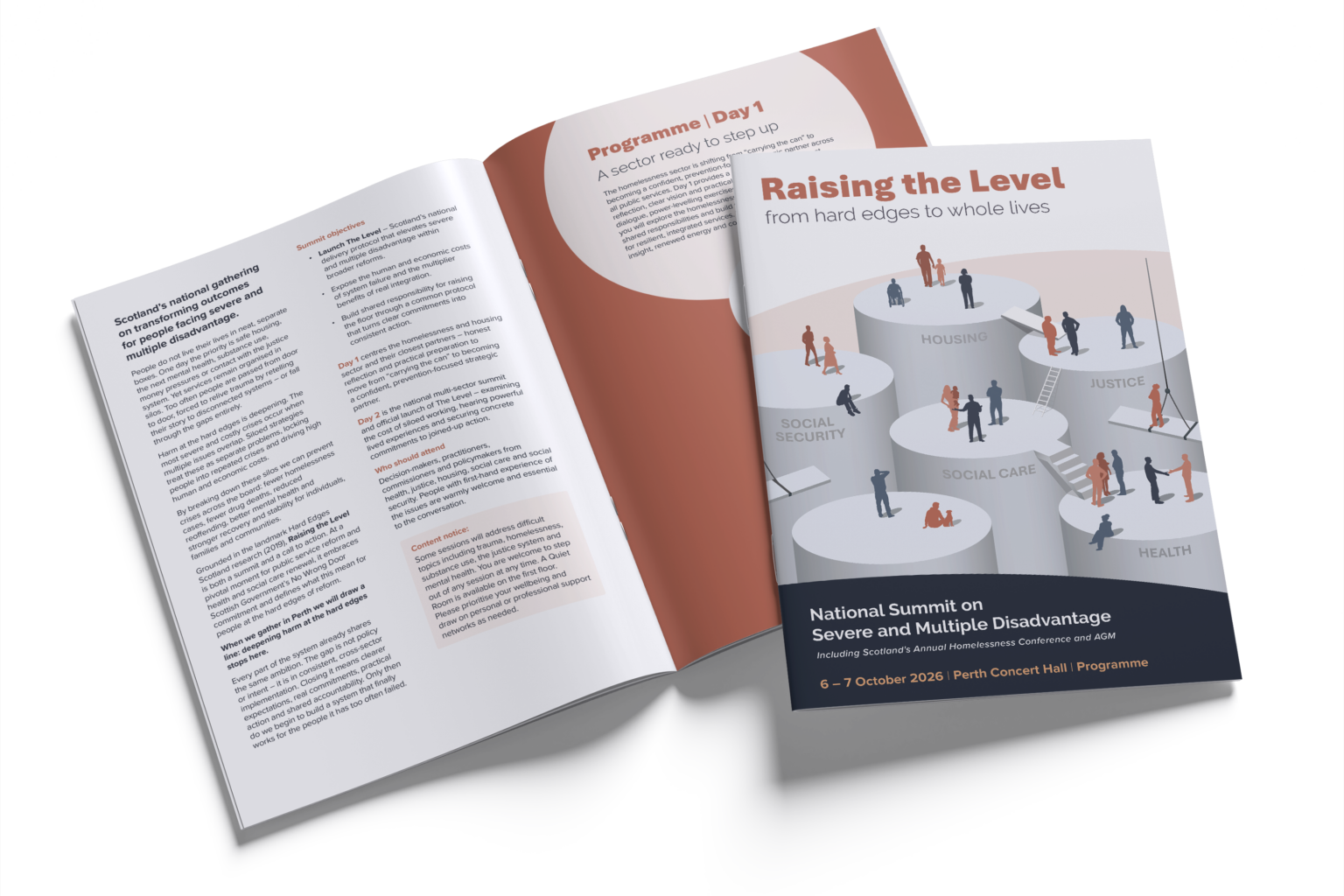
Hosted by Homeless Network Scotland and The Salvation Army, Raising the Level: From Hard Edges to Whole Lives will unite homelessness experts with the social care, mental health, justice and addictions sectors to push for genuinely joined-up support for the one in 28 people in Scotland facing overlapping challenges.
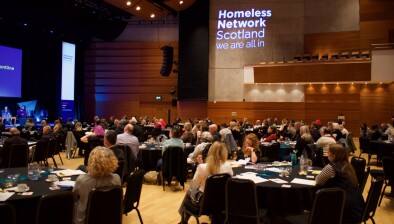
The two-day event at Perth Concert Hall forms part of Scotland’s annual homelessness conference and will serve as a decisive call to action to build a system with early prevention and collaboration across sectors at its heart – taking long-held policy ambitions for a national ‘no wrong door’ approach from theory to reality.
The objective is driven by a wealth of evidence exposing the enormous human toll and financial cost of the mismatch between often fragmented public services, set up to deal with single issues, and people who are dealing with more than one problem at a time.
Day One of the conference on Tuesday 6 October spotlights the role of the homelessness sector as part of a unified system with early prevention and coordination at its heart, with sessions focusing on system change and getting ready for the upcoming ‘Ask and Act’ legal prevention duties passed by Holyrood last year, that will see responsibility for preventing homelessness shared across a wide range of public services.
Day Two sees Homeless Network Scotland launch ‘The Level’, a national delivery protocol for public services supporting people facing severe and multiple disadvantage. The protocol is backed by 50 organisations and gives local and national frontline workers, policymakers and commissioners the tools to deliver joined-up coordinated support to people facing severe and multiple disadvantage.
Conference speaker highlights include the cabinet secretary for housing, Shirley-Anne Somerville, who will deliver a keynote speech coming just two weeks after homelessness statistics showed Scotland remains in the grip of a housing emergency – with 41,443 households making a homelessness application in 2025/26, rough sleeping rising and record numbers of households and children trapped in temporary accommodation.
Separate statistics showed an 11% rise in drug deaths in Scotland last year, with 1,133 tragedies – underlining the urgent need for public services to work in more collaborative ways for people dealing with severe and multiple disadvantage.
Other keynotes include internationally renowned speaker Guy Felicella, who escaped a life blighted by addiction, violence and gang involvement in Canada to become an acclaimed harm reduction advocate, as well as visionary systems change expert Mark Stevenson.
All in for Change – the national platform for people with lived and frontline experience of homelessness – will launch their new peer research report which explores opportunities to prevent homelessness arising from predictable transitions in people’s lives, stopping problems escalating and reducing disadvantage.
Homeless Network Scotland chief executive Maggie Brünjes will open the conference with a keynote speech setting out a vision for the homelessness sector as a pioneering and central partner in a wider system of integrated and preventative services that tackles harm at the hard edges more effectively – the core purpose of The Level.
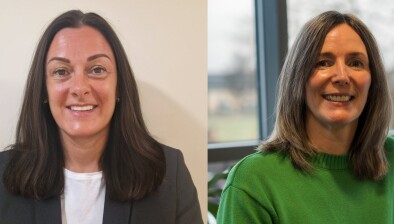
Helen Murdoch, who leads on homelessness for The Salvation Army in Scotland, said: “The Level is an example of policy into action – a strategic approach that acknowledges the complexity of public services while remaining focused on improving people’s day-to-day lives.
“It is common for complex issues to be addressed separately, from homelessness and contact with criminal justice, to substance use and poor mental health. In truth, all those challenges can be experienced simultaneously by one vulnerable person.
“It follows that our response must also be joined up to support better outcomes for people in Scotland facing multiple severe disadvantage. We are pleased to support The Level and to work with partners to make its implementation a reality.”
Homeless Network Scotland’s head of policy and impact Matt Hamill said: “Fifteen years ago the Christie Commission looked at public service delivery in Scotland and issued a call for more joined-up, coordinated working.
“In the years since, there has been no shortage of ambition from policymakers, but it is clear an implementation gap remains and it is people on the hard edges of the system that suffer the most from this.
“The Level seeks to close that gap, taking the principles behind Christie and the No Wrong Door approach, and turning them into a practical toolkit for our public services to implement on the ground.
“This is a significant moment in our work to support people at the hard edges of the system and next week in Perth is an opportunity to draw a line in the sand and move from agreeing that our public services should work together more effectively, to making that happen in practice.”
Cabinet secretary for social justice and housing Shirley-Anne Somerville said: “People facing severe and multiple disadvantage should not have to tell their story at every door. A no wrong door approach can only succeed if support is available where people need it, when they need it, and to a consistent standard wherever they live.
“The Scottish Government is committed to preventing crisis before it occurs, improving outcomes through earlier intervention, and reforming public services so they work more effectively around the needs of individuals. That means taking a whole-person approach and ensuring services work together to provide joined-up support.
“I welcome this shared effort through The Level, which reflects our common ambitions and provides a practical framework to help strengthen preventative, person-centred and coordinated approaches that support people to get the help they need.”

Share this article:

Subscribe to our newsletter to not miss articles like this one:
 SUBSCRIBE