

Angela Currie: Why housing for older women is an economic Issue
 Reading time: 3 minutes
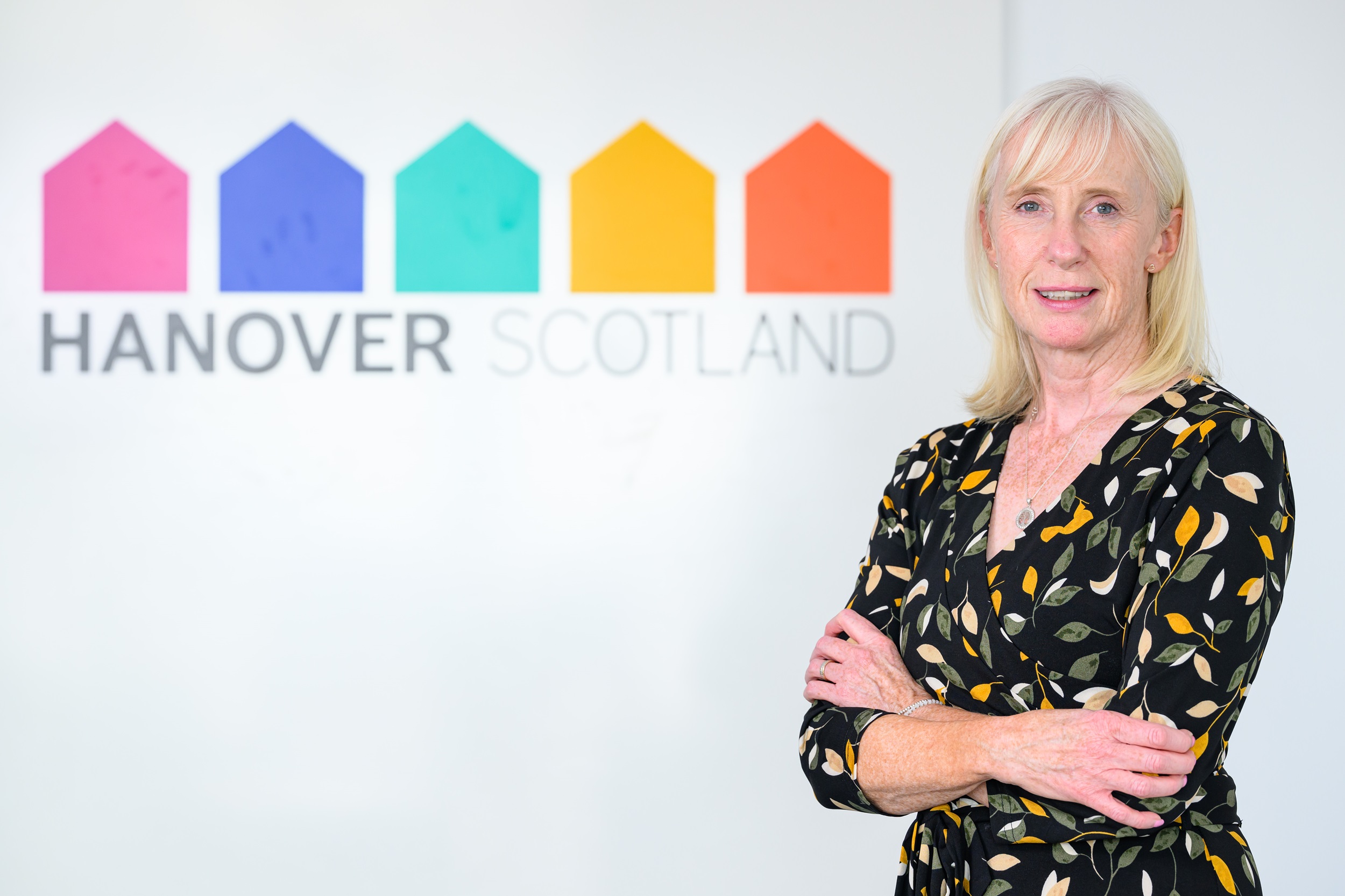
Angela Currie
Hanover Scotland CEO Angela Currie shares her thoughts on the housing links to International Women’s Day.
As we mark International Women’s Day, we rightly celebrate the women who built our communities, in our workplaces, our public services, our families and our neighbourhoods.
But celebration must also be accompanied by honesty.
Because for too many older women, later life is shaped not by security, but by structural economic inequality. And nowhere is that more visible, or more solvable, than in housing.
The Gender Pension Gap Has a Housing Consequence
Older women are significantly more likely to:
- Have lower lifetime earnings
- Have taken career breaks for unpaid care
- Rely on smaller pensions
- Live alone in later life
These aren’t lifestyle choices. They are economic patterns. And they compound over time.
By the time a woman reaches her 70s or 80s, the cumulative effect of pay gaps, part-time work and unpaid caring responsibilities can translate into real financial vulnerability. Housing costs, whether mortgage, rent, maintenance or heating, can become the single greatest source of pressure.
This isn’t just a social issue. It’s an economic one.
Insecure Housing Drives Public Cost
When older women live in homes that are cold or energy inefficient, unsafe or unsuitable for reduced mobility, expensive to maintain or isolating, the consequences don’t stop at the front door.
Poor housing conditions are directly linked to increased NHS usage, higher rates of falls and preventable hospital admissions, greater reliance on formal care, social isolation and mental health impacts.
Housing is preventative infrastructure. When it fails, public systems absorb the cost.
Independence Is Economic Participation
Too often, “older people’s housing” is framed as a welfare product. That framing is outdated and economically short-sighted.
Safe, well-designed, affordable homes such as Hanover’s, allow older women to:
- Remain independent for longer
- Continue contributing to their communities
- Provide informal childcare
- Volunteer
- Support local economies
Older women are not passive recipients of support. They are community anchors. But independence requires the right environment.
Investing in later living isn’t about dependency, it’s about unlocking contribution.
The Reality of Longevity
Women live longer than men. That means they are more likely to experience:
- Widowhood
- Living alone for extended periods
- Outliving savings
Housing policy that ignores this demographic reality risks building systems that don’t fit the population they serve.
If we know older women are more likely to live alone and on lower incomes, then designing desirable, affordable, energy-efficient homes specifically suited to later life is not niche policy. It is mainstream economic planning.
From “Older People’s Housing” to Preventative Infrastructure
We need to shift the narrative:
From: specialist housing as a cost
To: independent later living as economic resilience
Well-designed social housing, such as Hanover’s, reduces pressure on health services, supports climate goals through energy efficiency, and provides financial stability for those most exposed to structural inequality.
In other words: it saves money before it costs money.
A Smarter Policy Conversation
If we are serious about closing gender inequality gaps, reducing NHS strain, supporting ageing well and building resilient communities then housing for older women must move up the economic agenda.
It is not a marginal issue. It sits at the intersection of labour markets, health systems, climate resilience and public finance.
The women who built our communities deserve homes that allow them to continue shaping them.
And investing in that future isn’t just the right thing to do.
It’s the economically responsible thing to do.

Share this article:

Subscribe to our newsletter to not miss articles like this one:
 SUBSCRIBE