

England looks to extend Awaab’s Law beyond social housing sector
 Reading time: 5 minutes
The UK Government is to consider how to extend Awaab’s Law to private renters and other types of accommodation throughout England.
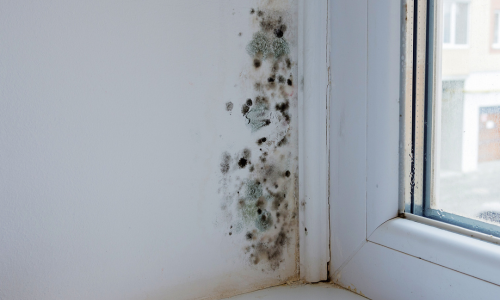
Under the legislation introduced to social housing last year, legal deadlines were set for landlords to fix dangerous damp and mould.
Now a government consultation will look at how it is introduced for private renters and what types of other accommodation should benefit in future, such as:
- temporary accommodation for homeless people and families;
- accommodation for young people leaving care;
- and supported housing where many elderly, disabled and other vulnerable people live.
Extending Awaab’s Law to these additional types of housing could more than double the number of households protected by new timescales for repairs – from 4 million to around 9 million homes.
Housing minister Matthew Pennycook said: “Irrespective of tenure, all renters have the right to live in a safe and decent home and have complaints responded to in a timely manner.
“Awaab’s Law is already helping to drive up standards in the social housing sector. We’re now moving to extend it to private landlords so that England’s 11 million private renters can enjoy the same protections.”
The consultation closing on 18 December 2026 will help inform how Awaab’s Law is implemented in the private rented sector, including the timescale for these new protections to come into force.
Holly Williamson, chief executive of Generation Rent, said: “Homes are the foundations of our lives. But too many renters live in homes that are harmful to our health and often wait months for landlords to act on issues. We’re pleased to see the government moving forward with bringing in Awaab’s Law. It must be put in action as soon as possible to make sure every renter can live in a good quality home.”
Francesca Albanese, director of policy & social change at Crisis, said: “With millions of people renting privately across England, it’s crucial that tenants have a safe place to call home and that hazards like damp and mould are dealt with quickly.
“We support the UK Government moving forward with stricter laws to clamp down on poor conditions in the private rented sector, and that ministers are considering applying stricter standards to other forms of accommodation.
“At Crisis, we directly support people who are homeless and are being forced to live in unsuitable temporary accommodation, like hostels and B&Bs, which can often be damp, mouldy and harmful to their health. We therefore welcome action to improve housing standards for everyone, including those having to live in temporary accommodation while they wait for a more settled home.”
Clara Collingwood, director of the Renters’ Reform Coalition, said: “A home should be a place of safety, and nobody in the UK should have to live in a home that is making them ill or putting their lives at risk, regardless of whether they rent their home from the council or from private landlords. We welcome the government’s consultation, and hope that the public responds with urgency - every additional day in which a child like Awaab Ishak’s life continues to be at risk should weigh heavily on us.”
Morgan Vine, director of policy and influencing at Independent Age, said: “We welcome this consultation on extending Awaab’s Law to better protect private renters and improve the safety of their homes, and are pleased there is an opportunity for the voices of the people affected to be heard. Some of the older renters we speak to have rats in their floors and mould on their walls but are too scared of the repercussions to ask their landlord to make repairs. Renters of all ages, including those in later life, deserve a home that is safe and suitable.
“Almost all (96%) of the older renters we polled supported Awaab’s law. Now, it must be implemented in a way that works for, and takes into account, the needs of all tenants. If change is put in place effectively, all renters will be empowered to request fixes to their homes, and we will be able to build a rented sector that works well for everybody.”
Anela Anwar, CEO of Become, the national charity for children in care and young care leavers, said: “We know that too many young people leaving care have experienced unsuitable and, at times, unsafe accommodation, including homes affected by disrepair and mould.
“We welcome the Government’s exploration of options to improve the quality of accommodation available to care leavers, helping to ensure young people have the safe, stable foundation they need as they move into adulthood.”
Timothy Douglas, head of policy and campaigns at Propertymark, added: “Everyone should have the right to live in a safe, decent home, and there can be no excuse for serious hazards being left to put tenants’ health and lives at risk. Awaab’s Law is a significant reminder of the devastating consequences when dangerous housing conditions are not addressed, and extending these protections to private renters and other vulnerable households is an important step.
“The consultation now needs to ensure the law works effectively in practice. Early identification, clear reporting routes and timely access to competent contractors will be vital, alongside properly diagnosing the underlying cause of damp and mould rather than relying on short-term fixes.
“Responsible landlords and agents want tenants to live in safe homes, and clear, workable requirements will help deliver that. Getting the detail right will be critical to ensuring these protections translate into faster action and, ultimately, safer homes.”

Share this article:

Subscribe to our newsletter to not miss articles like this one:
 SUBSCRIBE