

Esther Wilson: The housing sector’s blind spot on dementia
 Reading time: 4 minutes
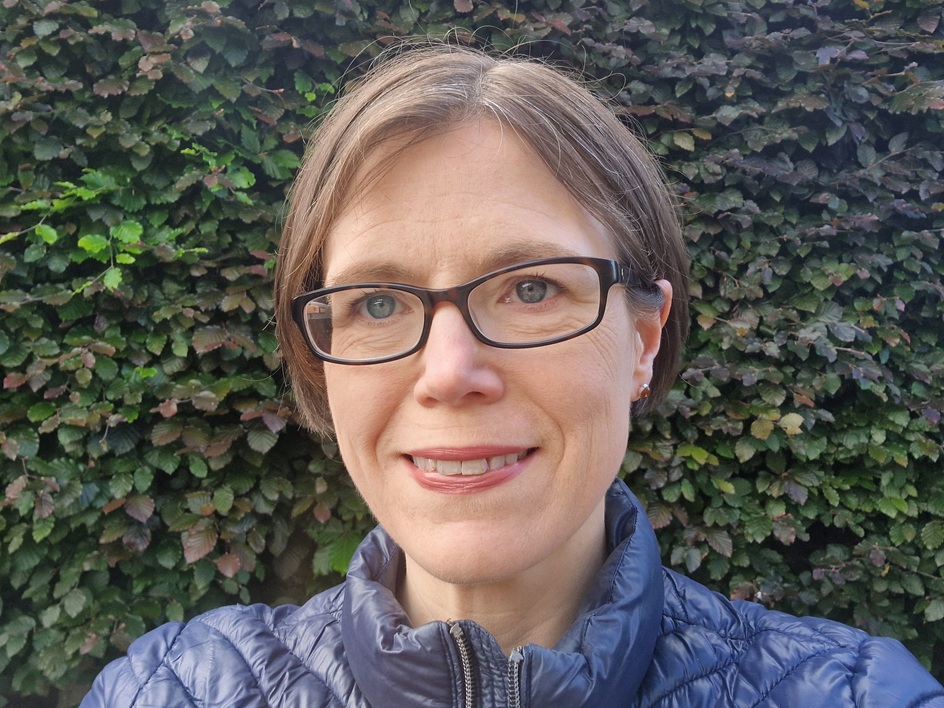
Esther Wilson
Drawing on her own experience sitting with families at the point of diagnosis, Esther Wilson, Hanover Scotland’s director of customer services, makes the case that the prevailing “loss narrative” around dementia only tells half the story and that stigma, poor housing design and isolation remain the biggest barriers to people living well with the condition.
Dementia is often described in the language of loss: memory, independence, identity. For those of us working in housing and care, that narrative is only ever half the story.
In my role leading customer services at Hanover Scotland, I sit with families at the point of diagnosis and see how quickly the loss narrative takes hold, but I also see, week after week, people continuing to build friendships and pursue interests when the right support and surroundings are in place.
These experiences have convinced me that the sector needs to change how it talks about dementia and how it delivers support.
Around 90,000 people in Scotland are currently living with the condition, with that number only set to grow, while Scotland’s national dementia strategy, Everyone’s Story, rightly commits to tackling stigma and building support around the person rather than the diagnosis.
Translating that ambition into everyday practice, however, requires housing providers, health boards and social care partners to change how they operate rather than simply update their policies.
Stigma remains one of the biggest barriers, with families often delaying support because they fear how a diagnosis will change the way they or their loved one is seen and treated. Addressing this requires a shift in the language used across our sector, away from managing decline and towards enabling capability by asking what a person can still do and what matters most to them.
Home plays a critical part because confusing layouts, poor lighting and unclear signage are not minor irritations for someone living with dementia, but factors that can determine whether they feel confident or anxious and whether they can remain in familiar surroundings or need to move elsewhere.
That is why Hanover Scotland is refreshing its Design Guide directly alongside customers living with dementia, ensuring it reflects lived experience rather than assumption. Clearer sightlines, better lighting and consistent layouts sit alongside technology-enabled care, discreet sensors, telecare and tools that keep people connected to family and community.
As no two people experience dementia in the same way, support must be flexible enough to reflect each person’s needs as they change. Within Hanover’s communities, relationships extend well beyond tasks completed and take account of someone’s history, routines and the small things that bring comfort.
Isolation remains one of the cruellest consequences of dementia, both for the person diagnosed and for those who love them, which is why Hanover’s developments place such value on neighbours, staff and visitors looking out for one another. That sense of connection cannot stop at the front door if we are serious about creating dementia-inclusive communities.
High streets, transport and public services must also become easier to navigate for people living with cognitive change, which is the wider thinking Hanover seeks to advance through its role on Scotland’s Resilient Communities Board.
As Everyone’s Story moves through its delivery plans, our sector should not wait for legislation or funding cycles to catch up when housing associations, developers and commissioners can begin embedding dementia-friendly principles into every new development and retrofit today.
Design, technology and meaningful community connection should therefore be recognised not as optional extras bolted on to dementia care, but as the foundations on which good support is built.
I meet people at some of the most vulnerable moments of their lives, but I also see their resilience and capacity for connection every day. The task now is to make that experience the norm rather than the exception and ensure everyone can live not just longer, but well.

Share this article:

Subscribe to our newsletter to not miss articles like this one:
 SUBSCRIBE