

Written by:

Further £100m required to prepare public services for Ask and Act requirements
 Reading time: 6 minutes
Written by:
Public services in Scotland need almost £100 million investment over the next two years so that hospitals, the police, prisons, councils, housing associations and Social Security Scotland are ready to proactively prevent homelessness, according to independent research published today.
The analysis by Alma Economics is the first to cost the work needed to prepare for implementation, as well as how much each public body will require to deliver their new legal duties to ‘ask’ and to ‘act’ early to prevent homelessness.
Commissioned by Crisis, the research has been published alongside Crisis Scotland’s new report Changing Course: Delivering a Preventative Approach to Ending Homelessness through Public Service Reform. It finds that £99.8m is needed to get services ready, before commencement in November 2028, mainly for a new secure national data sharing system for public services, training for frontline staff, coordination and IT systems.
Once in force, this homelessness prevention programme would cost on average £36m a year to run for the rest of this parliamentary term. In return, it would avoid around £115m a year in demand on public services, leaving net avoided costs of around £76-£82m a year, with particular benefit in terms of avoided contact with the criminal justice system, temporary accommodation and need for mental health and homelessness services.
The report is published as Shirley-Anne Somerville MSP, cabinet secretary for social justice and housing, visits Wester Hailes to see how local public services are piloting the new incoming legal duties by working effectively together as early as possible to give households greater stability and avoid becoming homeless.
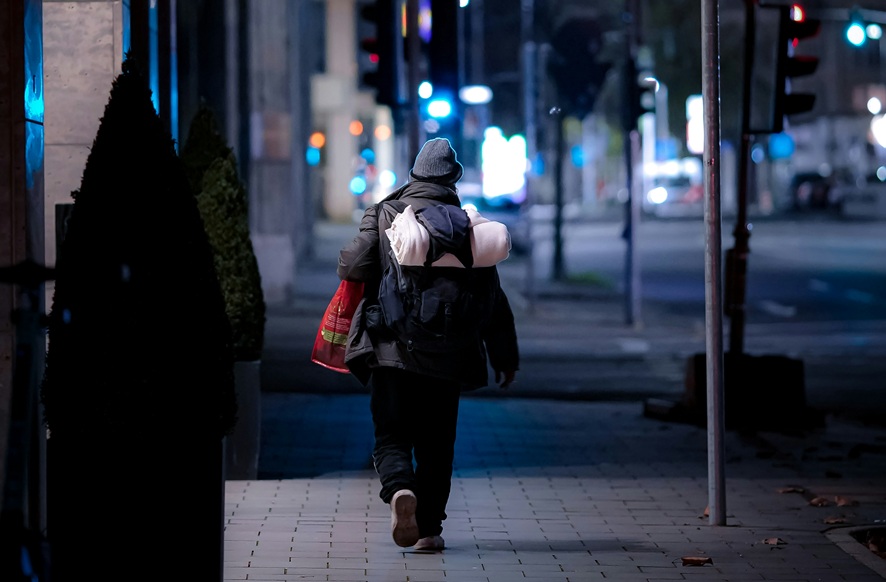
Last year nearly 54,000 people in Scotland were homeless or threatened with homelessness, including 14,400 children, and the number of households living in temporary accommodation is at a record high. Rough sleeping has increased 20% in the last year alone.
In many cases, people are in contact with public services long before they lose their home. In one Crisis study, 15 people with recent experience of homelessness had been in touch with at least 80 services between them in the six months before they became homeless, five each on average. Almost all had contacted their council’s housing service, and most had been in touch with health services.
Crisis Scotland’s frontline services see what those missed chances to prevent homelessness result in: someone facing a night on the streets after being released from prison with only a travel warrant, arriving at the council office after it has closed, or someone whose surgery is delayed because they have nowhere safe to recover.
New legal Ask and Act duties in the Housing (Scotland) Act 2025 are designed to stop these chances being missed. The laws will require health boards, Police Scotland, prisons, social landlords and Social Security Scotland to ask people about their housing and act on what they hear, with councils legally obligated to respond at least six months before someone loses their home.
Crisis Scotland says this is spend to save in action, a pivotal investment in public service reform that the Scottish Government must prioritise in its Budget on 3 December. Because the savings fall across justice, health and housing, the charity is calling for the cost to be shared across government rather than left to the housing budget alone.
Changing Course sets out 12 recommendations to get delivery right in time for November 2028, including a clear and fully funded implementation plan with national leadership from across government, and confirmation to public bodies by April 2027 of the support and funding they will receive.
Maeve McGoldrick, head of policy and communications at Crisis Scotland, said: “Scotland has genuinely groundbreaking new laws to prevent homelessness, and the idea at its heart came from people who have been homeless themselves: ask us what we need, then act on it. This new research shows for the first time what it will take to get implementation right, as we know legislation is only ever as good as it is delivered.
“This is spend to save in action and an investment that the Scottish Government must prioritise in its upcoming Budget. With two years before national commencement, we urgently need plans and funding in place to get the systems and workforce ready for successful delivery.
“We also need to see meaningful investment from across government portfolios so that public services are equipped to be successful in their delivery. The new laws mean preventing homelessness will become a cross-government responsibility and the benefits will be felt across health, justice and local councils.
“Our new report sets out what we need to do now, so that when the duties come into force in two years’ time, people get help long before they reach crisis point.”
Alma Economics said: “We are delighted to have undertaken this important work for Crisis. The report brings together the latest evidence and stakeholder insight to provide a robust assessment of the potential costs and resource implications of implementing the proposed Ask and Act duties across Scotland.
“By strengthening the evidence base for decision-making and implementation planning, we hope the findings will support efforts to prevent homelessness earlier and contribute to better outcomes for people at risk of, or experiencing, homelessness.”
Crisis Scotland’s Lived Experience Panel, who wrote the report’s foreword, said: “Pay for it now, or pay for it later. The numbers in this report matter. But what no report can fully count is the person spared trauma, the person spared addiction, the child who does not have to move school, the relationships that hold together rather than break apart.”
Social justice secretary Shirley-Anne Somerville said: “Preventing homelessness before it happens is one of the most important steps we can take to improve people’s lives.
“The work being carried out through these pilots is helping us understand how services can work together to identify risk earlier, intervene sooner and provide the support people need to stay in their homes and that is why I am pleased to confirm funding to extend them until March.”
She added that the Scottish Government was investing more than £213m this year – with this cash partly coming via the local government settlement – on “homelessness measures aimed at delivering better outcomes for individuals, families and communities across Scotland”.

Share this article:

Subscribe to our newsletter to not miss articles like this one:
 SUBSCRIBE