


Housemark: Sharp rise in emergency hazard recording as Awaab’s Law reporting improves
 Reading time: 3 minutes
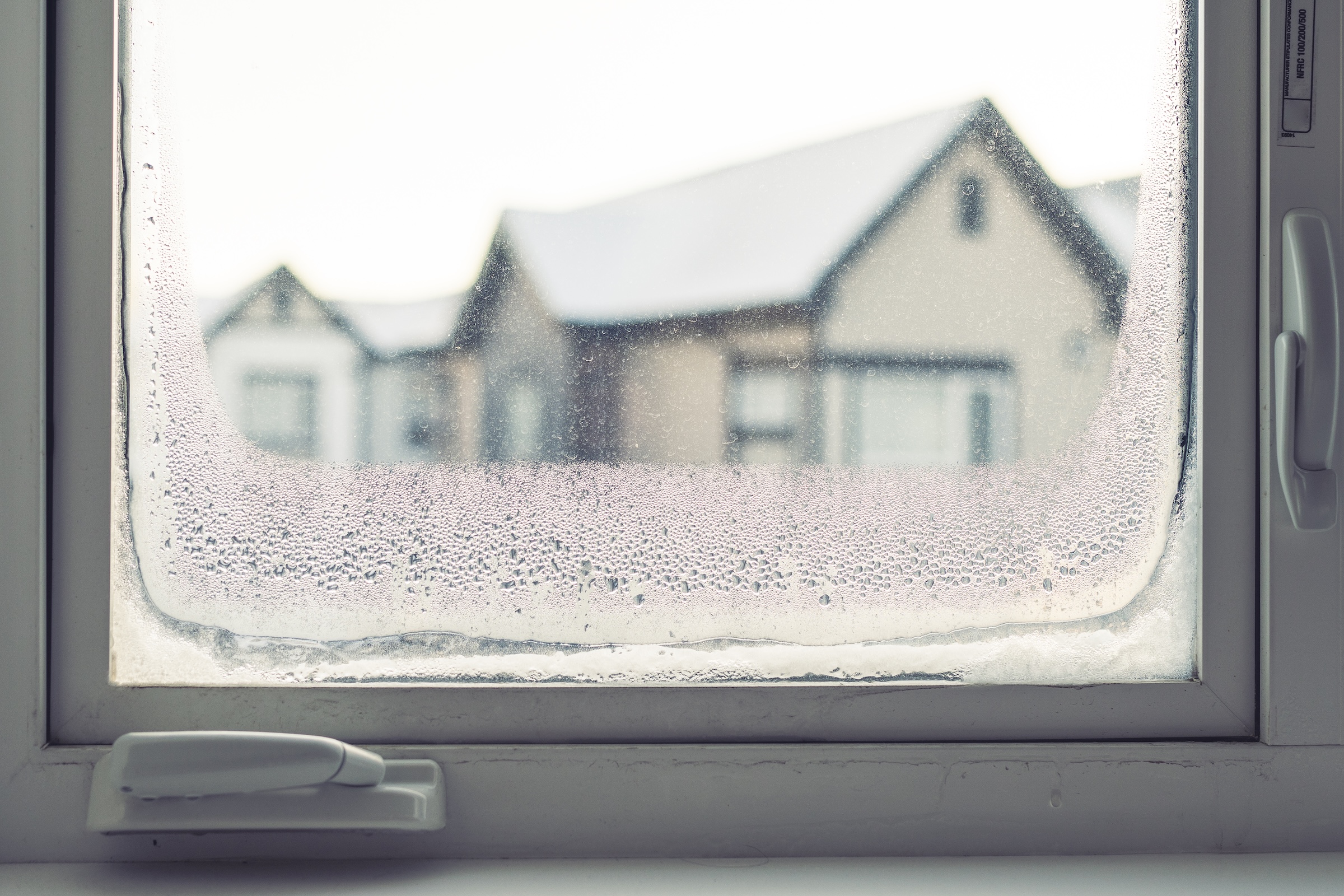
New data from Housemark shows social landlords are reporting a sharp increase in emergency hazards, as providers tighten how they record and investigate cases under Awaab’s Law.
Housemark’s latest Monthly Pulse, based on performance data submitted by 140 social landlords across the UK, shows a median of 35.8 new emergency hazards reported per 1,000 homes in a single month. The mean average is higher at 48.9, reflecting wide variation between organisations.
The increase is not being driven by a sudden deterioration in housing conditions. Housemark’s analysis shows it is largely the result of landlords aligning more closely with statutory definitions and strengthening internal reporting processes. Several providers that previously reported near‑zero emergency hazards are now submitting more realistic data as Awaab’s Law reporting matures.
Despite the rise in recorded hazards, compliance performance remains high at the median. Housemark’s data shows landlords resolved 96.3% of emergency hazards within 24 hours. However, the report highlights a wide performance gap across the sector, with some landlords achieving 100% complete within timescale while others report rates lower than 25%.
Alongside the Awaab’s Law data, Housemark’s Monthly Pulse reveals mounting pressure on repairs services. Responsive repairs volumes fell by 6.5% month on month to a median of 306.8 repairs per 1,000 homes, yet outcomes deteriorated rather than improved. The median proportion of repairs completed within target slipped to 87.0%, while transactional repairs satisfaction fell by 1.7 percentage points to 87.6%.
Housemark warns that several landlords with the lowest repair volumes also recorded weaker completion rates, suggesting falling demand is not easing operational pressure. Instead, the data points to works in progress building up within systems, driven by multi‑stage and follow‑on repairs that mask unresolved issues in headline performance figures.
Jonathan Cox, chief data officer at Housemark, said: “This Monthly Pulse shows the sector entering a more transparent phase of reporting under Awaab’s Law. Rising hazard numbers reflect better identification and investigation, not a sudden decline in housing quality.
“At the same time, falling repair volumes are not translating into better outcomes, which tells us capacity constraints and complexity remain firmly in place. The priority now is consistent compliance, consistent delivery and consistent data across the sector.”
Other findings from Housemark’s February 2026 Monthly Pulse include:
- Significant damp and mould hazards reported at a median rate of 8.3 cases per 1,000 homes, with 92.1% investigated within 10 working days and 96.6% of repairs initiated within five working days.
- Tenant perception satisfaction at a median of 76.3%, improving by around one to two percentage points over the past year according to Housemark’s trend analysis.
- Voids performance remaining weak, with only 15% of landlords achieving sustained month‑on‑month reductions in vacancy rates over the previous 12 months.
- Median re‑let times falling by 10% month on month to almost 43 days, despite no clear long‑term improvement trend.
- New ASB cases rising by 12.1% month on month to a median of 3.5 cases per 1,000 homes.
Housemark says the data highlights the growing need for landlords to pair regulatory compliance with stronger operational grip and reliable, consistent performance information.

Share this article:

Subscribe to our newsletter to not miss articles like this one:
 SUBSCRIBE