
Opinion: Rural Scotland needs homes - so why is it becoming harder to build them?
 Reading time: 5 minutes
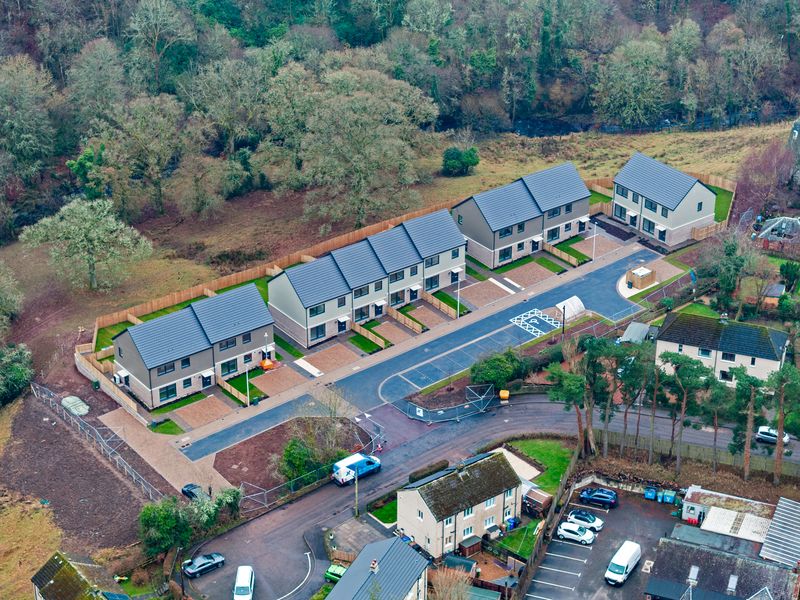
Communities Housing Trust highlights the issues with rural housing delivery in Scotland.
The challenges facing community-led housing and what needs to change.
Across rural Scotland and its islands, people are struggling to find affordable homes. Young people are leaving their communities, employers are finding it difficult to recruit, and families are being priced out of the places they call home.
These are not just housing problems. They threaten the future of rural communities, local businesses and essential services.
For nearly three decades, Communities Housing Trust (CHT) has worked alongside communities across the Highlands and Islands to help deliver affordable housing. We have seen what can be achieved when communities take the lead - but we have also seen how difficult it has become to turn housing need into reality.
The challenge in a nutshell
Rural communities know what homes they need. The challenge is securing the land, funding, expertise and infrastructure to make those homes happen.
Why is building affordable homes so difficult?
Rising construction costs are putting pressure on housing projects across Scotland. In rural and island locations, transporting materials, finding contractors and connecting sites to essential infrastructure can make development even more expensive.
But the challenges go beyond construction
Land acquisition, surveys, planning, professional fees, roads, drainage and utility connections all add to the cost. For smaller community-led projects, these expenses are spread across fewer homes, making developments particularly vulnerable to unexpected costs.
Delays can make matters worse. A project that was viable several years ago may no longer be affordable by the time it reaches construction.
The longer a project takes, the greater the risk that the original budget will no longer deliver the homes it was designed for.
Communities cannot do it alone
Community-led housing offers an important solution where conventional development does not meet local needs. It allows communities to shape projects around local priorities, helping people remain in their home areas and supporting local economies.
Success stories that show what is possible
Staffin, Isle of Skye
A partnership involving Staffin Community Trust, Lochalsh & Skye Housing Association and CHT delivered six affordable homes alongside commercial units and a new health centre. The project shows how housing can contribute to a wider community’s needs.
Gairloch, Wester Ross
A partnership project with the local community, Albyn Housing Society and The Highland Council, to transform the former derelict site in the centre of the village into a mixed development, combining affordable homes with social, commercial, education and training needs.
What needs to change?
- Funding that reflects rural costs
- Grant support must recognise the additional expense and risks of developing in remote locations.
- Investment before construction
- Affordable finance choices
- Communities need funding for feasibility studies, surveys and design before a project is ready to build.
- Better access to land and infrastructure
- Earlier collaboration between landowners, councils and infrastructure providers could help prevent costly delays.
- Long-term support for community organisations
- Specialist housing organisations play a vital role in helping communities navigate complex development processes.
- Affordable housing also needs to be recognised for its wider value. It supports local employment, public services, population retention and community resilience - not simply the delivery of buildings.
Behind every successful development is a considerable amount of work: securing land, navigating planning, developing proposals and bringing together the funding needed to build.
Community groups should not be expected to shoulder these challenges alone. They need access to specialist support and reliable funding to turn local ambition into completed homes.
What happens if we do nothing?
When housing projects stall, the consequences extend far beyond an empty building site.
- Young people may have to leave to find somewhere affordable to live.
- Local businesses may struggle to recruit and retain staff.
- Families may be unable to return to the communities where they grew up.
- Essential services may find it harder to attract the people they need.
- Erosion of culture and heritage and the things that make our communities special.
- Community-led initiatives, volunteering and community cohesion become fractured.
- Reduced opportunities for intergenerational care and support.
The cost of failing to deliver affordable housing is measured not only in money, but in the opportunities and futures that rural communities risk losing.
“A home is more than a building. It is the foundation for a family, a local workforce, essential services and a thriving community.”
Rural Scotland cannot afford to wait
As we look towards 2032, we need to ask whether the support available today will be enough to deliver the homes rural Scotland needs tomorrow.
At Communities Housing Trust, we believe communities deserve the opportunity to shape their own futures. That means recognising the barriers they face, learning from successful projects and making the changes needed to ensure more communities can deliver affordable homes.
Over the coming weeks, we will explore the rising cost of housing, the lessons from successful community-led projects, the barriers preventing development and what needs to change to secure a stronger future for rural Scotland.
Rural Scotland has the ambition to build its future. The question is whether the support will be there to make it happen.
Join the conversation
Do you have experience of the challenges involved in delivering affordable housing in a rural or island community?
We would welcome your views. Share your experiences with Communities Housing Trust and help inform the conversation about the future of community-led housing in Scotland.

Share this article:

Subscribe to our newsletter to not miss articles like this one:
 SUBSCRIBE