


Over 837,000 winter heating payments made
 Reading time: 2 minutes
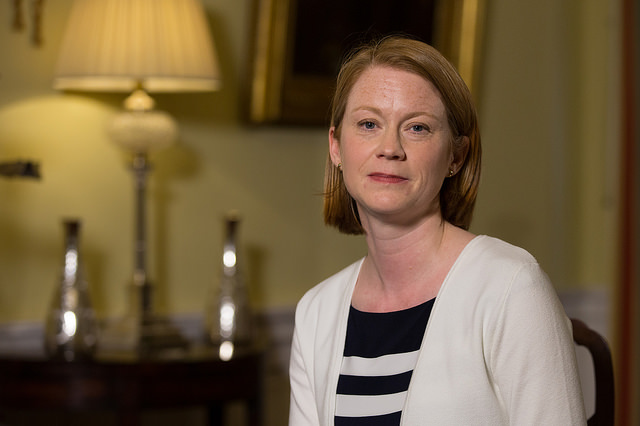
Social justice secretary Shirley-Anne Somerville
More than 837,000 payments have been made to people across Scotland to help with heating costs this winter, thanks to a unique package of support.
More than 268,500 payments for Child Winter Heating Payment and Winter Heating Payment – support only available in Scotland – have been paid and are likely to have already landed in people’s bank accounts.
Child Winter Heating Payment supports families caring for children with the highest disability support needs and the vast majority of payments have already been made.
Winter Heating Payment is a guaranteed, annual payment for people receiving certain benefits. This is irrespective of how cold the temperature gets outside, unlike the Department for Work and Pensions (DWP) Cold Weather Payment which is only paid if the average temperature reaches, or is forecast to reach, freezing or below for a full week.
Over 568,000 Pension Age Winter Heating Payments have been paid to people aged 66 and over. This has replaced the DWP Winter Fuel Payment in Scotland and is at a higher rate than elsewhere in the UK. Payments will continue to be made throughout the winter.
All Social Security Scotland winter payments are automatic with no need to apply.
Social justice secretary, Shirley-Anne Somerville, said: “Costs are rising and there will be many people struggling with household bills this winter.
“That’s why the Scottish Government is taking action and will deliver the strongest package of winter support than anywhere else in the UK.
“We’re providing winter help, no matter the weather and I’m pleased that over three quarters of a million payments have already been made to do just that.”
Joe Cluxton, energy coordinator at FEL, a service that provides free home energy advice to residents in the Forth Valley, added: “We welcome the range of winter heating support delivered by Social Security Scotland as a means to address fuel poverty and the rising cost of heating our homes.
“The cost of living crisis may drive some to keep the heating off or too low in homes with vulnerable residents, and this is a valuable move to keep people safe through the coldest seasons.”

Share this article:

Subscribe to our newsletter to not miss articles like this one:
 SUBSCRIBE