


£90,000 investment helps Hawthorn transform Glasgow households
 Reading time: 4 minutes
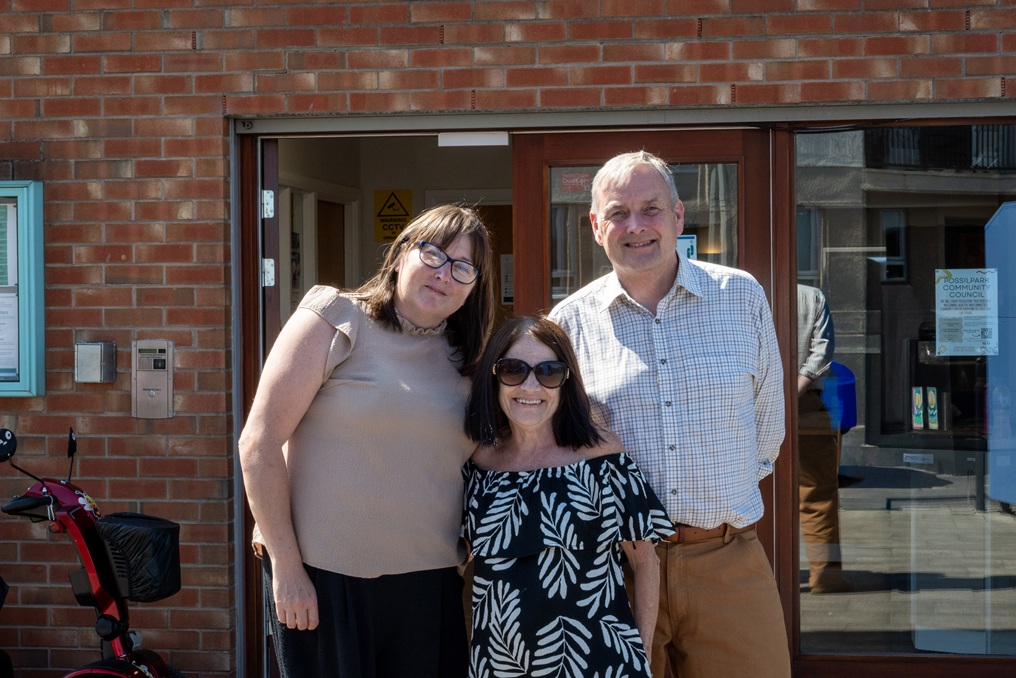
(from left) Gillian Halliday, Anne Marie (Tenant) and Colin Turnbull
Hundreds of households in a Glasgow neighbourhood are benefiting from £90,000 of community investment which is transforming lives through housing improvements, social inclusion and regeneration.
The Scottish Procurement Alliance (SPA) has supported Hawthorn Housing Co-operative in Possilpark since 2017, combining access to cost-effective procurement frameworks with community funding to improve living conditions and create opportunities for the residents of 364 homes.
The partnership has helped turn isolated community projects into a long-term programme of free activities, recreational clubs, accessible green spaces and support services, demonstrating how procurement can deliver lasting social value beyond construction and housing maintenance.
For some residents, the difference has been life-changing.
Possilpark resident Anne Marie said: “I suffered from depression for years, and I didn’t go out, but now all of these clubs are bringing me back to where I used to be. Talking to people, engaging with people, going out to the shops…these groups have been a big part in helping me and I know they are a big part in helping a lot of people up here that suffer the same.”
Lesley Peaty, regional director at SPA, said: “Public procurement should deliver much more than buildings and contracts. It should create opportunities, strengthen communities and make a lasting difference to people’s lives. Hawthorn is a fantastic example of this in action.
“The work taking place shows what can be achieved when investment is shaped around the needs of local people. By supporting housing organisations over the long term, we can help ensure the benefits of procurement are felt far beyond the projects themselves.”
Established in 1987, Hawthorn emerged from a campaign by residents to take control of housing in an area badly affected by industrial decline, poverty and deteriorating living conditions.
Almost four decades later, the tenant-led organisation has helped reshape the neighbourhood, giving residents a direct voice in decisions about their homes and community.
Since joining SPA’s founding committee in 2017, Hawthorn has received £90,000 through the SPA Community Benefit Fund, including annual awards of £10,000 administered by charity partner Lintel Trust.
The funding has given Hawthorn flexibility to respond to changing community priorities, particularly important for a housing co-operative without charitable status and with limited access to traditional funding streams.
Early projects included transforming derelict land into green spaces, notably the Robert Stewart Memorial Garden, featuring a wheelchair-accessible path, wildlife pond and more than 100 trees planted by volunteers.
Hawthorn has also developed several initiatives to tackle social isolation and ensure that all families from different backgrounds feel welcome.
These include translation services, social events and welcome packs, as well as a tenant handbook produced in Arabic and Chinese. More than 70 families from diverse linguistic backgrounds have been welcomed, with English language classes now hosted locally.
The work also contributed to the creation of the Hawthorn Community Action Group and recognition through a TPAS Scotland award, the national tenant and landlord participation advisory service for Scotland.
Colin Turnbull, of Hawthorn Housing Co-operative, said: “The most significant impact that SPA has had has been to allow us to have a longer-term social strategy. Initially it was quite opportunistic, but now we’ve got a three-year strategy in place with goals to improve the quality of life of our residents.”
Today, the co-operative runs a regular programme of free activities, including youth football, carpet bowls, parent and toddler sessions, wellbeing groups, bingo and games clubs.
The partnership highlights the wider value housing procurement can generate, linking essential investment in homes with sustained support for the people living within them.
It also demonstrates how smaller housing organisations can use procurement partnerships to access resources, professional support and social value expertise that might otherwise be difficult to secure.
Hawthorn is now exploring charitable status to expand its funding opportunities and continue building on the progress made across the community.

Share this article:

Subscribe to our newsletter to not miss articles like this one:
 SUBSCRIBE