


RSL finances ‘stable’ but forecasts suggest ‘tight’ headroom
 Reading time: 3 minutes
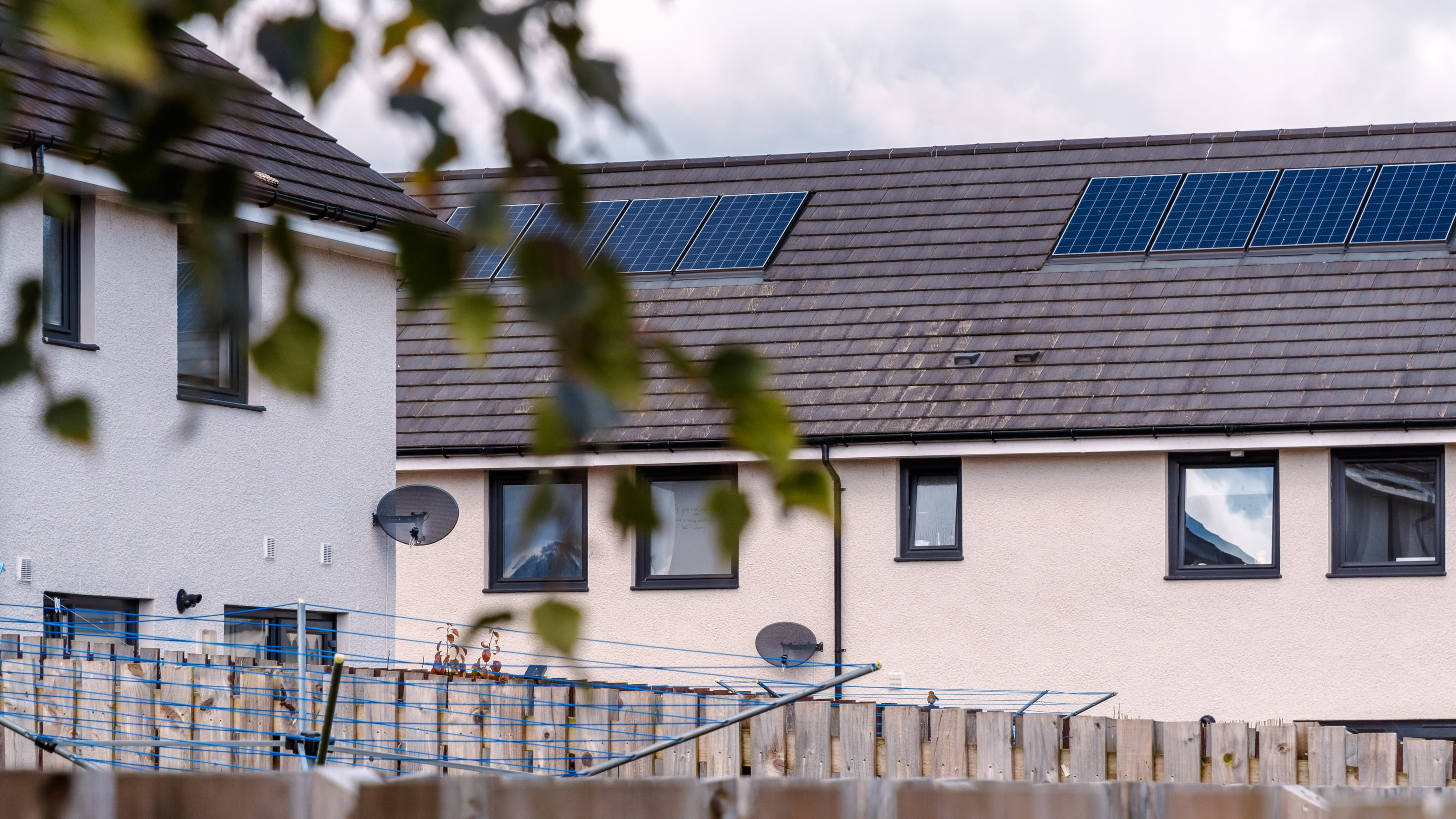
The finances of Registered Social Landlords (RSLs) have been described as “generally stable”, although concerns have been raised regarding continued financial pressures.
A summary of RSLs’ financial plans for the next five years through to 2030 has been published today by the Scottish Housing Regulator.
The report highlights that, at an aggregate level, RSLs are forecasting continued, steady generation of both operating and net surpluses. The aggregated projections show turnover increasing by 3.9% per year, down from last year’s forecast of 4.7%, while operating costs are expected to rise by 3.1%, matching the previous year’s rate.
At an aggregate level over the five years to 2029/30, the report has also found:
- compared to previous forecasts total turnover over five years is projected to increase by £355 million (2.9% pa) over the period, although this is depressed by a £224m reduction in the release of grants from deferred income which is linked to the reduced development assumptions;
- total operating costs over the five years are up by £436m (4.5%) compared to previous forecasts;
- net cash from operating activities is 4.8% higher than in the 2024 projections, and forecast to reach £937.0m by 2029/30;
- net assets to grow by an annual average of 4.1% (2024, 3.9%);
- aggregate net housing assets will increase to £20.65 billion (2024, £19.99bn), and net assets to £6.31bn (2024, £5.72bn);
- cash reserves remain at a healthy level, with an aggregate closing balance of £662.3m at March 2025 (2024, £685.2m) dropping to £497.5m by March 2030;
- interest cover recovering slightly from that forecast in the 2024 returns;
- rent arrears down and then steadily reducing, from 3.0% in 2025/26 to 2.8% by 2027/28 and thereafter;
- significant capital expenditure of £2.08bn on existing homes, an average of nearly £6,300 per property;
- estimated decarbonisation costs in the period to 2030 could range from £4.8bn to £9.6bn, while RSLs’ projections include just £166.8m;
- a projected 17,600 new homes, to be funded primarily by £2.21bn of social housing grant (55% of total cost) and £1.56bn of private finance (39%); and
- total borrowing increasing more slowly and down slightly after five years from £7.21bn to 7.18bn.
Shaun Keenan, assistant director of financial regulation, said: “RSLs continue to operate in a challenging economic climate. While aggregate finances are stable, headroom remains tight with further pressure ahead.
“Most RSLs are managing these challenges through prudent management and efficiencies, but their ability to absorb extra costs—such as those for fire safety works and decarbonisation—remains limited.
“Strong governance is essential to maintain financial resilience and deliver better tenant outcomes. Governing Bodies also need accurate, comprehensive data to guide decisions and prioritise spending.”

Share this article:

Subscribe to our newsletter to not miss articles like this one:
 SUBSCRIBE