

Sarah Steel: Why social housing must attract new talent to secure its future
 Reading time: 3 minutes

Sarah Steel
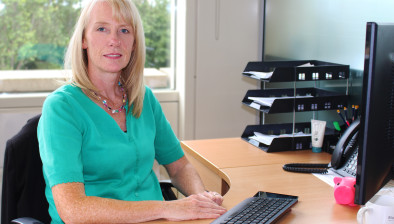
With a significant proportion of the current workforce approaching retirement and demand for services increasing, Sarah Steel, head of people at Hanover Scotland, argues that attracting the next generation isn’t just beneficial but it’s essential, and that social housing’s purpose-driven nature should be a powerful draw for early-career professionals.
Scotland’s social housing sector is at a turning point. For decades, it has provided safe, secure homes for those who need them most but the demands placed upon it are changing rapidly.
An ageing population, more complex care needs and growing financial pressures are reshaping what housing providers must deliver. The question is no longer whether the sector will evolve, but how quickly it can adapt.
To meet these challenges, social housing needs new talent. Housing organisations are community anchors, supporting wellbeing, tackling isolation and working alongside health and care services.
Recent research from the Chartered Institute of Housing highlights a growing need for leadership that is adaptable, collaborative and future-focused. The sector needs people who can navigate complexity, build partnerships and respond to changing community needs.
At the same time, it faces a pressing workforce challenge. A significant proportion of the current workforce is approaching retirement. Without action, valuable experience risks being lost at the very moment demand for services is increasing.
Attracting the next generation is therefore not simply beneficial, it is essential.
However, social housing often struggles to compete for attention. Many young professionals are unaware of the breadth of opportunities available within the sector. This is fundamentally a missed opportunity, because for those seeking meaningful, purpose-driven careers, social housing has much to offer.
Few sectors provide the chance to make such a direct and lasting impact on people’s lives. From designing accessible homes to delivering services that support independence, the work is tangible, visible and deeply rewarding.
For a generation increasingly motivated by purpose as well as progression, this should be a powerful draw.
New talent also brings fresh perspectives. The sector is undergoing significant transformation: digital technology, data-driven insights and sustainability goals are reshaping how services are delivered.
To respond effectively, housing organisations need people with a diverse range of skills — from digital expertise to community engagement and strategic planning.
Bringing in new professionals with these capabilities will help drive innovation and ensure services continue to meet modern expectations.
That said, the sector must do more to open its doors, building stronger links with education providers, expanding apprenticeships and clearly communicating the variety of career paths available.
It must also ensure that workplaces are inclusive and reflective of the communities they serve.
Equally important is investing in development. Supporting early-career professionals through mentoring and clear leadership pathways will be critical in building a resilient workforce for the future.
A skilled and motivated workforce ensures that housing providers can continue to deliver high-quality homes, responsive services and meaningful support.
Social housing has always been about more than buildings. It is about people and the relationships, opportunities and stability that a good home provides.
As the sector looks ahead, its ability to attract and nurture new talent will define its future.
If it succeeds, it will remain resilient, innovative and ready to meet the needs of Scotland’s communities for generations to come.

Share this article:

Subscribe to our newsletter to not miss articles like this one:
 SUBSCRIBE