

Short-term let controls move forward in Wester Ross, Strathpeffer and Lochalsh
 Reading time: 4 minutes
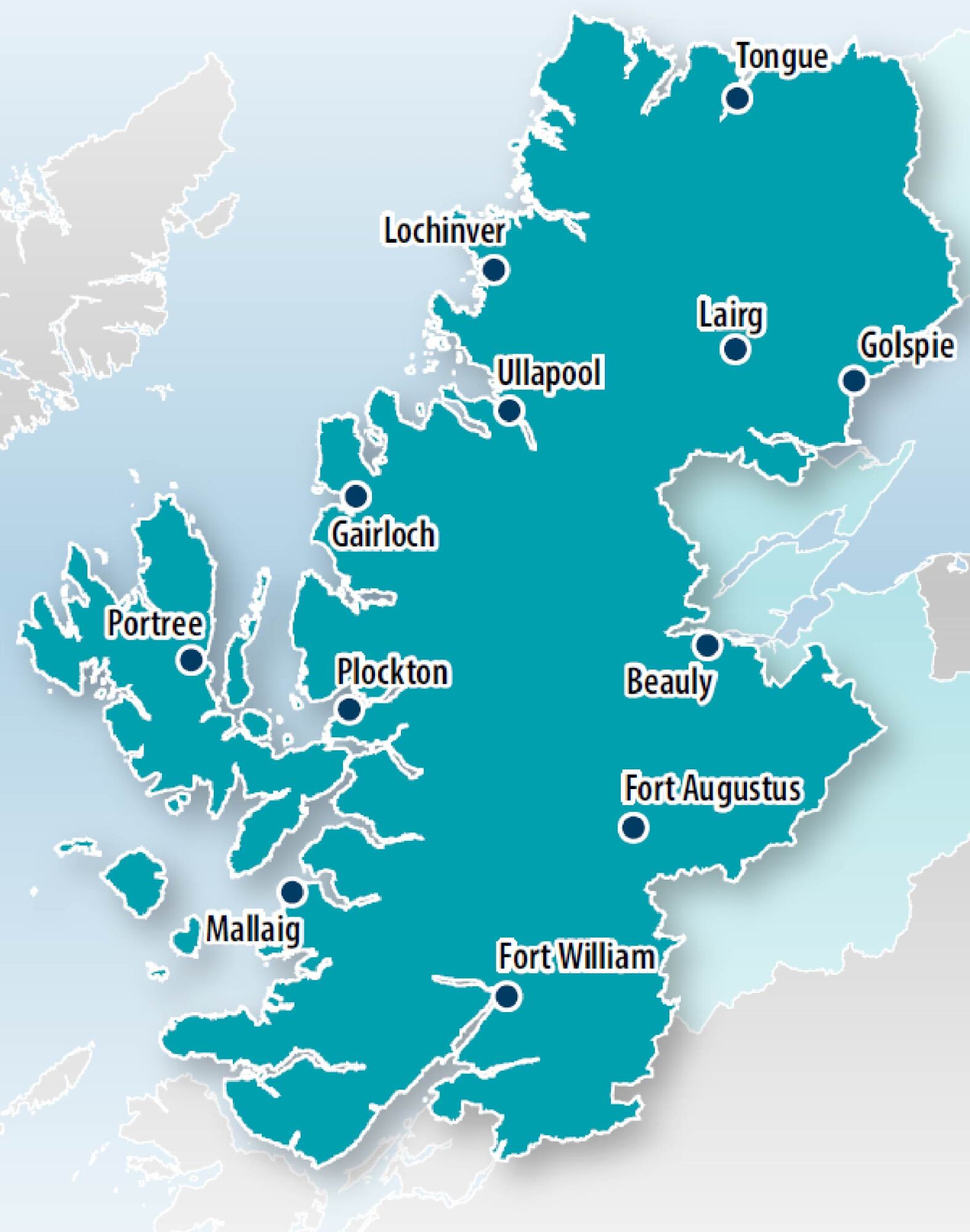
The Highland Council’s Wester Ross, Strathpeffer and Lochalsh Committee has voted to take forward a short-term let control area.
Described as a “crucial step to address rural housing pressures”, the area’s inclusion in a new Highland Rural Short Term Let Control Area (STLCA) was the subject of a six-week public consultation held in May and June 2026.
Feedback presented to the committee revealed a narrow overall majority in favour of introducing the control area within Wester Ross, Strathpeffer and Lochalsh, with the aim of striking a better balance between tourism growth and local housing need.
Of the 98 respondents living in the Wester Ross, Strathpeffer and Lochalsh area, 51% (50 respondents) supported the proposal, while 41% (40 respondents) opposed it. Support was noted to be strongest among residents and businesses. Further Local Area Committees within the proposal will consider the outcomes of the consultation in due course.
The recommendation will now be passed to The Highland Council’s Economy and Infrastructure Committee, which will make a final decision later this year on whether to submit the Highland Rural Short Term Let Control Area to Scottish Ministers for their consideration, once the outcome of all Local Area Committees within the proposal are known.
Within a designated control area, planning permission is mandatorily required before a residential home can undergo a future change of use to a secondary short-term let, though it does not introduce a ban on short-term lets, or affect second homes, empty properties, or purpose-built holiday accommodation.
Co-chair of the Wester Ross, Strathpeffer and Lochalsh Area Committee, Councillor Liz Kraft commented on the decision: “Our communities have issued repeated concerns that the growth in the short term lets is affecting the availability of housing for people who want to live permanently in a place. It is important that we consider any steps that could potentially ease the pressures on the local housing market and which would allow more people to live and work in our communities.”
The Association of Scotland’s Self-Caterers warned against implementing the policy.
Fiona Campbell MBE, chief executive of the ASSC, said: “This is a significant policy decision with potentially far-reaching consequences for businesses, communities and the visitor economy. It deserves careful scrutiny and a robust examination of the evidence. The fundamental question remains unanswered. Where is the evidence that a Short-term Let Control Area will deliver more homes for local people? To date, no compelling evidence has been presented that these measures achieve their stated objective. What they will do is create further uncertainty and regulatory burden for responsible tourism businesses.
“The interaction between planning and licensing remains one of the most serious flaws in Scotland’s regulatory framework. Many operators have already obtained short-term let licences after demonstrating that they are safe, responsible and suitable to operate. Yet they continue to face planning restrictions that could ultimately prevent them from trading.
“Long-established businesses that have invested in their properties, complied with every regulatory requirement and contributed to their local communities now face an existential threat because of overlapping regulation. This approach is difficult to reconcile with the Scottish Government’s commitment to better regulation and the principles of the New Deal for Business, which call for regulation to be evidence-led, proportionate, transparent and developed in partnership with business.
“Self-catering makes a vital contribution to the Highland economy, generating around £200m of economic activity and supporting almost 6,800 jobs. If the ambition is to strengthen rural communities, policy must address the real causes of housing pressures, including constrained housing supply, planning delays and long-term empty homes, rather than placing further restrictions on a sector that sustains jobs, investment and local services.
“As this proposal moves to the Economy and Infrastructure Committee, we urge councillors to ask whether the evidence is sufficient, whether the economic impacts have been properly assessed and whether it is fair that long-established, compliant businesses should bear the consequences of a policy whose benefits remain unproven.”
Alongside this planning recommendation, the committee also unlocked over £126,000 in Community Regeneration Funds to support eco-housing, community facilities and local infrastructure.
Projects approved funding requests are:
- Plockton Village Hall will receive £21,480 towards installing insulation throughout their building to reduce heat loss and improve energy efficiency.
- Kyle and Lochalsh Community Trust have been awarded £85,381 to employ a Development Officer for 18 months alongside covering consultant fees to develop designs and planning for their proposed micro-eco village near Ratagan on Loch Duich.
- £20,000 has been allocated for Highland Council’s amenity service to undertake a feasibility study, options appraisal and business case for reintroducing public toilet facilities within Achnasheen, as a response to community feedback over the loss of the facility.

Share this article:

Subscribe to our newsletter to not miss articles like this one:
 SUBSCRIBE