

South Ayrshire continues housing investment with latest budget agreements
 Reading time: 4 minutes
South Ayrshire Council has set its 2026/27 Housing Revenue Account (HRA) Revenue Budget and Capital Budget 2026/27 to 2030/31.
Both budgets were approved by councillors at the meeting of South Ayrshire Council on Thursday 5 March 2026.
In January 2024, the council agreed a 4.5% rent increase each year from 2024/25 - 2026/27. This is the final year of the agreed three-year rent increase and will see an average increase of less than £3.80 per week. Tenants have already been advised of their new rent charge for the coming financial year. Later this year, the council will consult tenants on options for future rent setting, for rent charges that will apply from April 2027 onwards.
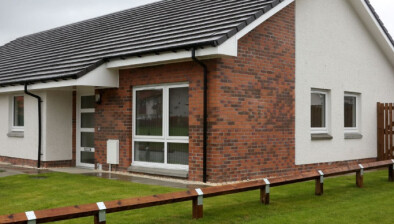
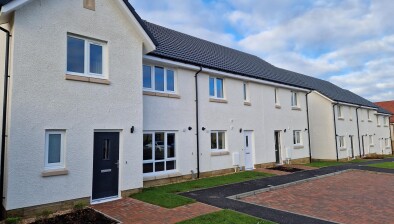
The housing capital investment programme is presented on a five-year planning cycle. This means £189 million will be spent over the next five years improving the council’s existing housing stock, alongside investment in new build housing to boost the supply of affordable homes.
The modernisation of council properties will also continue. The agreed budget will allow other works such as the window replacement programme, external wall insulation and other energy efficiency improvements. External fabric works will also continue such as the replacement of roofs and wall coverings.
Councillor Martin Kilbride, housing and property services policy lead for South Ayrshire Council, said: “The approval of the HRA budget will allow us to continue to meet the needs of tenants and residents across South Ayrshire. Our housing capital investment programme is a key part of this ambition.
“We will always support tenants as much as possible. Times are tough and any tenant struggling to pay their rent should contact our Housing Service as quickly as possible.”
Council agrees 2026/27 Budget
Also this week, councillors agreed on a range of options to address the identified budget gap and set a balanced General Services revenue budget for 2026/27.
This follows on from decisions taken at the council meeting of Thursday 19 February, at which councillors agreed the Capital Investment Budget for 2026/27; set fees and charges for 2026/27; and considered the updated Medium-Term Financial Plan.
Councillors were presented with a range of proposed savings options and have chosen to accept £2.728m of these for 2026/27. Decisions taken in this budget also result in savings of £0.483m for 2027/28, which begins to reduce the forecasted budget gap for that period.
The council has also taken steps to improve sustainability for the future. As shown in the Medium-Term Financial Plan, investment in its leisure facilities and through transformation work is expected to generate income and cashable benefits in future years.
A spokesperson said: “It is our ongoing priority to protect those who are most in need in our communities and councillors therefore agreed to add an additional £1.59m, through recurring funding and a one-off use of reserves, to the 2026/27 Health and Social Care Partnership (HSCP) budget.
“This brings the council’s total additional funding, on top of what was allocated through the Scottish Government’s local government finance settlement in January, to the HSCP to around £2m more for this period.”
As agreed by councillors last year, the increase in Council Tax for 2026/27 will be 8%. This means the annual cost of a Band D property will be set at £1694.96.
South Ayrshire Council’s policy lead for finance and corporate services, Councillor Ian Davis, said: “Like many local authorities across the country, we are facing unprecedented financial pressures as we set our 2026/27 Budget. Rising costs and sustained demand for essential services have made this an extremely challenging process.
“I’d like to thank those residents who took part in our budget builder consultation exercise. Findings from this were considered as part of the budget setting process.
“While I am pleased that we have been able to deliver a balanced budget, I recognise that some of the necessary measures we have had to take will not be welcome news. These decisions have not been taken lightly, but they are essential to ensure the council remains financially sustainable and able to continue to deliver vital services.
“This budget sets out a way to bridge the gap in 2026/27 and also begins to set out the approach that we will need to take as a Council to do the same in 2027/28.”

Share this article:

Subscribe to our newsletter to not miss articles like this one:
 SUBSCRIBE