
Survey launched on proposals to bridge Stirling Council’s budget gap
 Reading time: 3 minutes
Residents are being urged to have their say on proposals to help address Stirling Council’s estimated £12.25 million budget shortfall next year (2026-27).
A new survey has been launched that sets out potential ways for the council to raise more income, make savings and deliver services differently.
The consultation continues the council’s Big Conversation with its communities about how it negotiates the ongoing and unprecedented financial challenge impacting local government in Scotland.
Despite bridging a similar shortfall last year through an 8.8% increase in council tax and a range of savings totalling £7.7m (mainly efficiencies), the council and other local authorities across Scotland must make further difficult decisions this year to balance their budgets.
Residents can help inform this process by taking part in the survey on the Engage Stirling website, with paper copies available in libraries shortly. The closing date is Sunday 1 February.
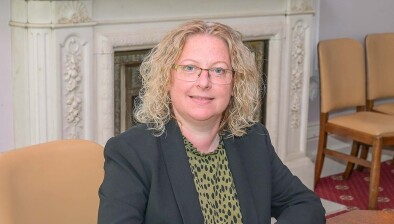
Stirling Council leader, Councillor Susan McGill, said: “The ongoing financial challenges faced by local government means we need to continue redesigning our services so we can do things better and more efficiently.
“To achieve a balanced budget, however, we must also make some tough choices once again. This is why services across the council have produced detailed proposals to save money, raise more income and do things differently.
“Council services cover every part of our lives, and in ways you may not even be aware of, so it’s important you look at these proposals and share your feedback. By doing so, you will help inform the final decisions made in the budget and ensure the long-term financial sustainability of the council.”
Some of the proposals are listed below with more details on the Engage Stirling website.
Raising more income:
- Parking charges
- Garden waste permit
- Housing licensing
- Increase nursery fees for non-statutory childcare
- Burial charges and fees for lairs.
Reducing services:
- Clothing grants
- Reduction in the additional support for learning inclusion team
- Youth participation
- Support for learning assistant time
- Educational psychology service
- Bus services
Changing the way the council does things:
- Primary and nursery school meal
- Review of further smaller schools and shared headships across small schools and nurseries
- School transport
- Reduction in transport, overtime and venue related costs in the music tuition service
- Dimming street lighting pilot.
The council will also continue to engage with its staff, trade unions, local partners, service users and other key stakeholders, during the remainder of the budget-setting process.
To see the full list of the proposed savings and take part in the online survey, visit the website.
Along with the proposals in the survey, the council has also developed proposals totalling £4.3m, to deliver more efficient services ranging from removing vacant posts, ensuring better use of digital technology, and making better use of council buildings and offices.
The findings from the Big Conversation will be presented to elected members for consideration and to help inform their decisions when they set the budget in late February 2026.

Share this article:

Subscribe to our newsletter to not miss articles like this one:
 SUBSCRIBE