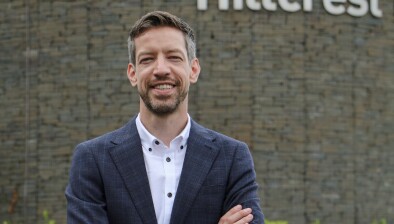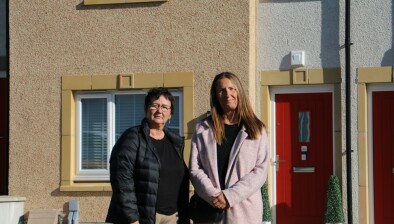


Video: John Alexander and Fiona Morrison discuss healthy homes, healthy futures
 Reading time: 2 minutes
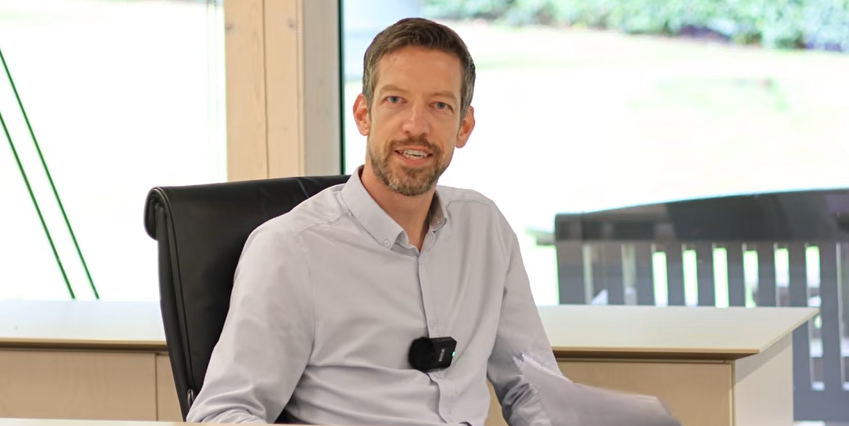
Hillcrest chief executive John Alexander
To mark Scottish Housing Day and its theme of Healthy Homes, Healthy Futures, Hillcrest chief executive John Alexander and deputy chief executive Fiona Morrison have recorded a video discussion about what it takes to keep people well housed and well supported.
On partnership working, John admitted: “You can’t do anything in isolation.” Neither new developments nor care provision can be unlocked without local and national partners, and the value of a strong relationship is that it allows for the difficult conversations too, about what can and cannot be delivered within the funding available.
He was equally candid about policy. The cut to affordable housing supply grant still bites: “When you turn off a tap you can’t suddenly just get that back.” The rent cap, meanwhile, showed how legislation that reads well on paper can play out differently in practice. Earlier dialogue with the sector, he argued, would have headed that off.
Fiona set out how Hillcrest has moved well beyond traditional landlord services. The HEAT team helps tenants run modern heating systems efficiently and tackle damp and mould, while the financial wellbeing team focuses on income maximisation and benefits is “an absolute minefield”. Neither is a core function, she said, “but we believe it’s something that we have to do to help people sustain their tenancies.”
Her work on the Dundee Fairness Commission has changed practice directly. After hearing from someone left in crisis by a stack of contradictory benefits letters arriving on a Saturday, Hillcrest stopped sending correspondence at the end of the week wherever possible.
Both pointed to the sharpest example of housing and health colliding - patients who can’t leave hospital because their home isn’t suitable. Hillcrest Maintenance carries out adaptations in-house, and recent Scottish Government grant funding has helped, but Fiona wants a faster process, and more new housing built for varying needs so fewer people end up in hospital at all.
They closed on stigma, and the door knocking, phone calls and digital channels used to break it down. “It’s not about threatening letters,” Fiona said. “It’s about making sure that we’re giving the right quality advice and people knowing that we’re here.”

Share this article:

Subscribe to our newsletter to not miss articles like this one:
 SUBSCRIBE