

Fuel poverty funding ‘generates £228m return on investment for society’
 Reading time: 3 minutes

Ross Armstrong
Investment in tackling fuel poverty generated more than £228 million in additional benefits for society in two years, a new study has found.
Independent research by Social Value Lab highlights the wide-ranging impact of energy efficiency upgrades on the health, happiness and finances of householders.
The analysis focuses on the Warmer Homes Scotland scheme, which is delivered by Warmworks on behalf of the Scottish Government, as well as other publicly funded programmes managed by Warmworks in Scotland and the rest of the UK across 2023/24 and 2024/25.
Overall, the study found public investment of £174.6m in fuel poverty initiatives in the two years has been worth a total of £403.3m to the economy and society.
It means the £174.6m of investment has delivered an additional ‘social value’ of more than £228m, or for every £1 invested there was a return of £2.31 in wider benefits.
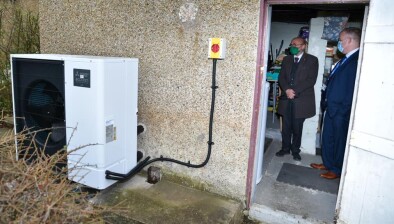
The household upgrades include wall insulation, loft insulation, draught-proofing, renewables and central heating – including new air source heat pumps or gas boilers.
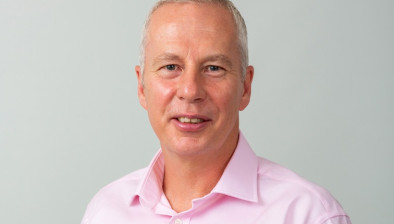
Ross Armstrong, chief executive of Warmworks, said: “Tens of thousands of homes and families have benefitted from energy efficiency upgrades carried out by Warmworks in recent years.
“We know this work has made homes warmer, cutting household energy bills while reducing carbon emissions in the process.
“However, this report confirms that the benefits to society and the economy are significantly more far-reaching than might be assumed.
“The independent research highlights the transformational changes in quality of life, with widespread improvements to the health and well-being of those whose homes have been upgraded, as well as their sense of safety and community, with the benefits extending to the education of children.
“The positive impact on the supply chain of organisations involved in delivery is also stark, with the investment boosting the financial security of businesses and enabling the recruitment of more staff and apprentices in local communities.
“It is clear from this research that creating warmer homes significantly reduces pressures on a range of other services, improving health and education outcomes while addressing social isolation and safety concerns.
“Few other interventions have this kind of impact on society and Warmworks is proud to be playing its part in improving so many lives.”
The research – titled ‘Creating Value and Warming Homes’ - included a survey of almost 1,000 households, all of which had received energy efficiency upgrades such as more efficient heating systems and/or improvements to insulation, ventilation and draught elimination.
The survey findings included:
- 73% said the upgrades improved their health and/or wellbeing, including through a reduction in stress and mental health pressures, as well as better sleep.
- 59% reported an increase to their confidence and self-esteem.
- 47% of respondents with children found the work contributed to improvements in their educational experience, often through better sleep and concentration.
- 56% said the amount they spend on heating their homes had decreased.
- 32% identified improved social activity, including through better finances and having more confidence to invite friends and family to their home.
- 72% said their homes felt safer, largely due to installation of new smoke and carbon monoxide alarms.
- 56% said they felt more pride in their home, while 28% felt less ‘embarrassed’.
- 79% reported reduced barriers to accessing other support, including through greater confidence.
Meanwhile, a concurrent survey of supply chain businesses found:
- 86% reported increased staff recruitment opportunities.
- 87% found improved financial security and sustainability.
- 79% said they had greater opportunities to diversify their businesses.
- 79% reported a positive effect on local economies.

Share this article:

Subscribe to our newsletter to not miss articles like this one:
 SUBSCRIBE