

Lar manifesto highlights keys to unlocking more affordable homes
 Reading time: 2 minutes

Mikko Ramstedt
Lar Housing Trust is urging the next Scottish Government to optimise the way it funds affordable housing developments.
A manifesto launched by the charity illustrates that low-cost loans could have a dramatic impact helping to tackle Scotland’s chronic shortage of affordable homes.
Lar, which has a portfolio of 44 sites of mid-market rental (MMR) homes across the country, launched 10 years ago using an innovative loan-based model. It received an initial low-cost loan of £55 million from the Scottish Government and later secured £65m of private finance at commercial rates from Scottish Widows/Bank of Scotland.
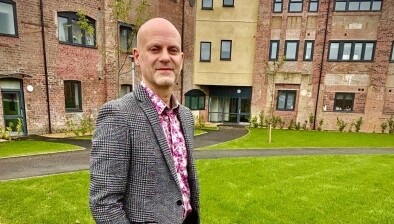
Lar’s chief executive, Mikko Ramstedt, said: “Housing is shaping up to be one of the key issues in the forthcoming Scottish Parliament election. A housing emergency persists across Scotland and requires innovative thinking. I would urge the next government to look at the success of our financial model.
“A low cost loan-based system could deliver hundreds of additional affordable homes, making better use of limited public resources. A loan, of course, has to be repaid allowing government to recycle funds over time which is a much more cost-effective model than traditional grant funding. Most importantly, it will help hard working families struggling with the cost of living.”
Lar’s own research and economic impact assessment has revealed that its tenants each saved over £3,600 per annum against prevailing market rates – an overall total of £3m in one year alone. Lar will repay its £55m loan to the Scottish Government in 2040, at which time it is estimated that figure could deliver at least 200 homes if re-lent on a like-for-like basis.
Lar says its low-cost, forward funded and long-term loan allows it to respond quickly to time limited market opportunities because of funding certainty.
Ramstedt added: “Our model also means we have the risk appetite and ability to tackle complex regeneration projects, bringing disused and derelict buildings back into use. Not only do we repurpose buildings that had become local eyesores, but we have also created several thriving new communities.”

Share this article:

Subscribe to our newsletter to not miss articles like this one:
 SUBSCRIBE