

Wheatley to pilot new indoor air quality technology
 Reading time: 2 minutes
Wheatley Group is to become the first social landlord in the UK to pilot Nooku’s innovative indoor air-quality technology in tenants’ homes.
The new project, which came about through Wheatley’s partnership with STAC (Smart Things Accelerator Centre), is part-funded through Innovate UK.
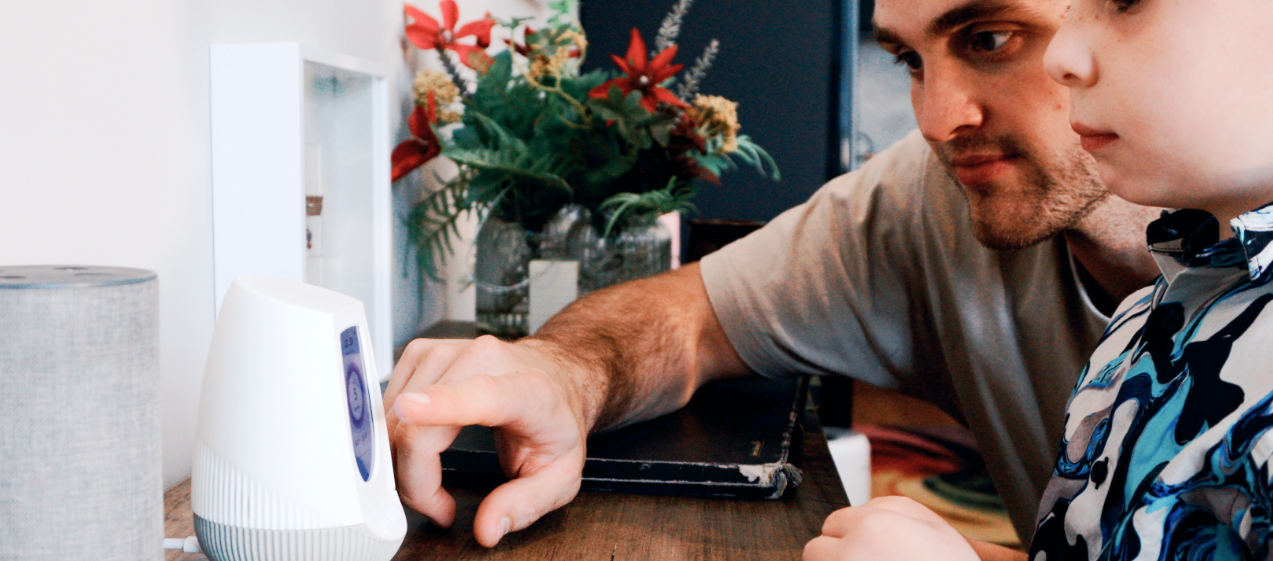
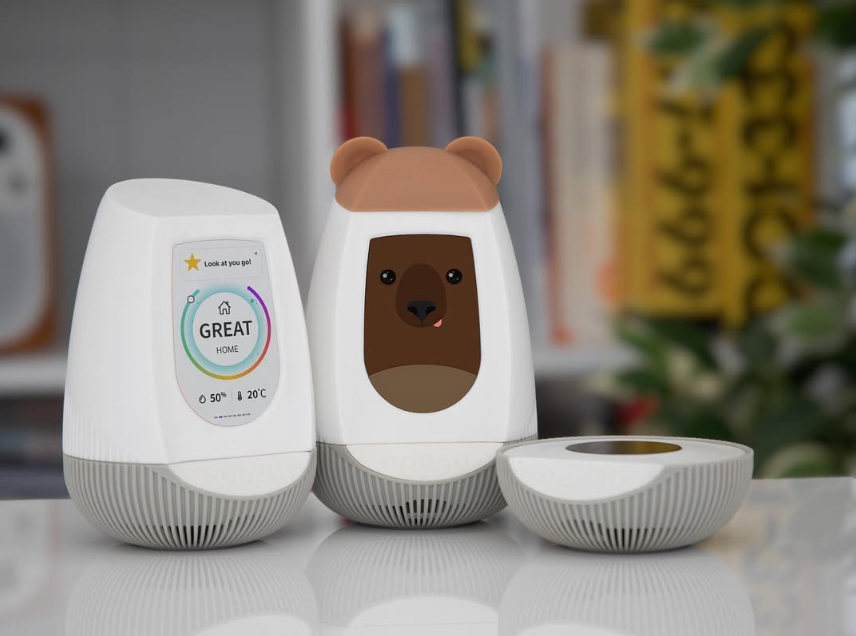
As part of the project, air-quality specialists Nooku will fit 140 homes across Wheatley Homes Glasgow and Wheatley Homes East with small, smart sensors that will provide helpful advice on making homes healthier.
Nooku will provide easy-to-understand, real-time advice for tenants through monitoring temperature, humidity, ventilation and CO₂ levels, as well as pollutants and allergens which can impact tenants’ wellbeing.
For many families – especially those with young children – healthier indoor air can make a noticeable difference to comfort, energy and better sleep.
Stephen Devine, Wheatley’s director of assets and sustainability, said: “We’re always looking for new ways to make our homes healthier and more comfortable for our tenants.
“This pilot with Nooku is an exciting opportunity to work with families, try innovative technology that gives simple, real-time guidance on indoor air quality and, most importantly, make homes and lives better.
“We’re proud to be the first social landlord in the UK to explore how Nooku can improve air quality in homes, and we look forward to learning from the customers who take part.”
The information gathered will allow Wheatley and Nooku to explore how smart technology could benefit households across Scotland in future.
The pilot is open to Wheatley Homes Glasgow and East households with at least one child under 16, with access to a smartphone and Wi-Fi. The installation takes around 20 minutes, requires no drilling, and is suitable for all properties.
Danny Kane, Nooku CEO, said: “We’re delighted to support a project that puts tenants first. This partnership with Wheatley is a major step toward better home environments in Scottish social housing.
“By introducing smart air-quality technology, we can give families clear, practical advice to improve their wellbeing. We’re really looking forward to working closely with these families and learning from their experiences.”
The pilot will begin in January 2026.

Share this article:

Subscribe to our newsletter to not miss articles like this one:
 SUBSCRIBE