
Highland Council eyes Visitor Levy scheme’s next steps
 Reading time: 3 minutes
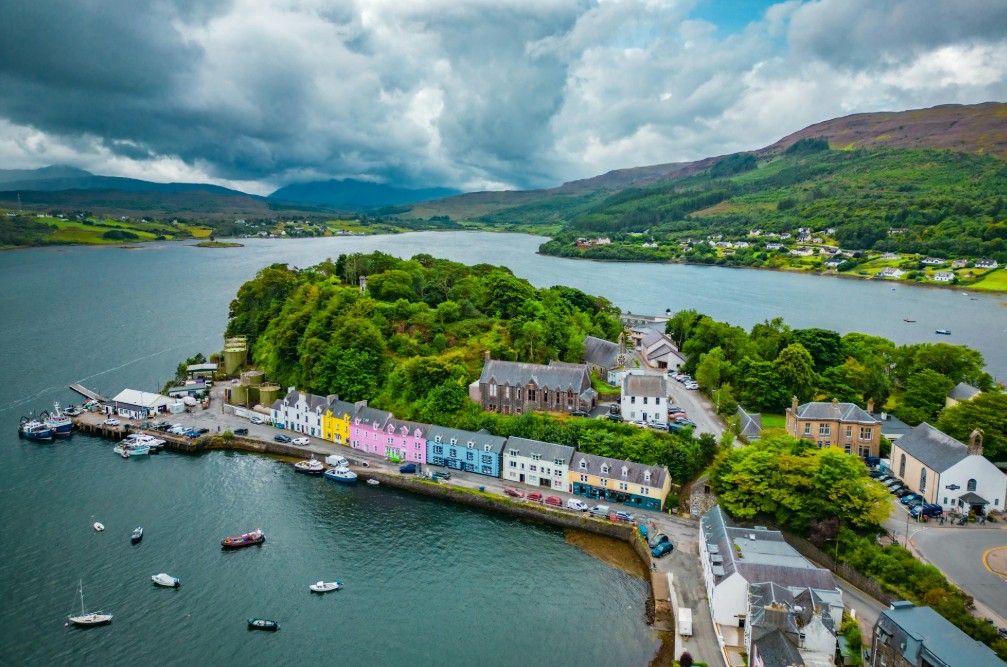
The Highland Council has announced that it will continue working with the tourism industry to co-create a draft Visitor Levy scheme targeting the Highlands.
This comes after the Council managed to attain more flexibility from The Scottish Government concerning how a Visitor Levy could be implemented and managed, following comments from accommodation providers alongside industry groups in the Highlands regarding a percentage-based charge.
Changes to the Visitor Levy (Scotland) Act 2026, effective from 22 July, enables the Council to opt for a percentage-based charge, or a fixed amount (or a range of fixed amounts) based on per room, per night on overnight accommodation.
Highland Council members agreed during a council meeting on 25 June to proceed to liaise with the tourism industry to accumulate evidence and drive proposals for the scheme.
This task will be aided by an economic impact assessment, scheduled to conclude by the autumn, which comes after the release of a similar assessment on a percentage-based levy.
In order to help to develop, maintain and support facilities and services that visitors use, a Visitor Levy would raise more funding from overnight visitors.
A further report will be presented to members as soon as is practicable, setting out proposals for a Visitor Levy scheme and seeking approval to launch a formal consultation. If agreed, a statutory consultation will run for 12 weeks before any final decision is made.
Councillor Bill Lobban, convener of The Highland Council, said: “We listened carefully to the strong feedback from accommodation providers and the public and asked the Scottish Government for more flexibility.
“This change means we can design a Visitor Levy that reflects the unique nature of the Highland tourism economy.”
Lobban added: “A Visitor Levy has the potential to present a sustainable mechanism to invest in the assets, infrastructure and services that make the Highlands such a desirable destination while helping to deliver and manage infrastructure that is shared with local communities.”
With the most recent STEAM (Scottish Tourism Economic Activity Monitor) in Scotland reports showing 9.4 million annual visitors to the area, the Highland economy is centred around tourism.
If the Visitor levy is implemented it could produce substantial funding to aid services and local infrastructure that visitors use.
In Scotland, other areas have already moved forward with the visitor scheme. Edinburgh, Glasgow, Aberdeen and West Dunbartonshire have given the green light to schemes. The public is currently being consulted by some councils, while others have not yet reached this stage of progression.
According to the Scottish Government the new legislation builds on the Visitor Levy (Scotland) Act 2024 and has taken feedback from councils and the tourism industry into account.

Share this article:

Subscribe to our newsletter to not miss articles like this one:
 SUBSCRIBE