

Moray Council sets housing budget and council tax for 2026/27
 Reading time: 4 minutes
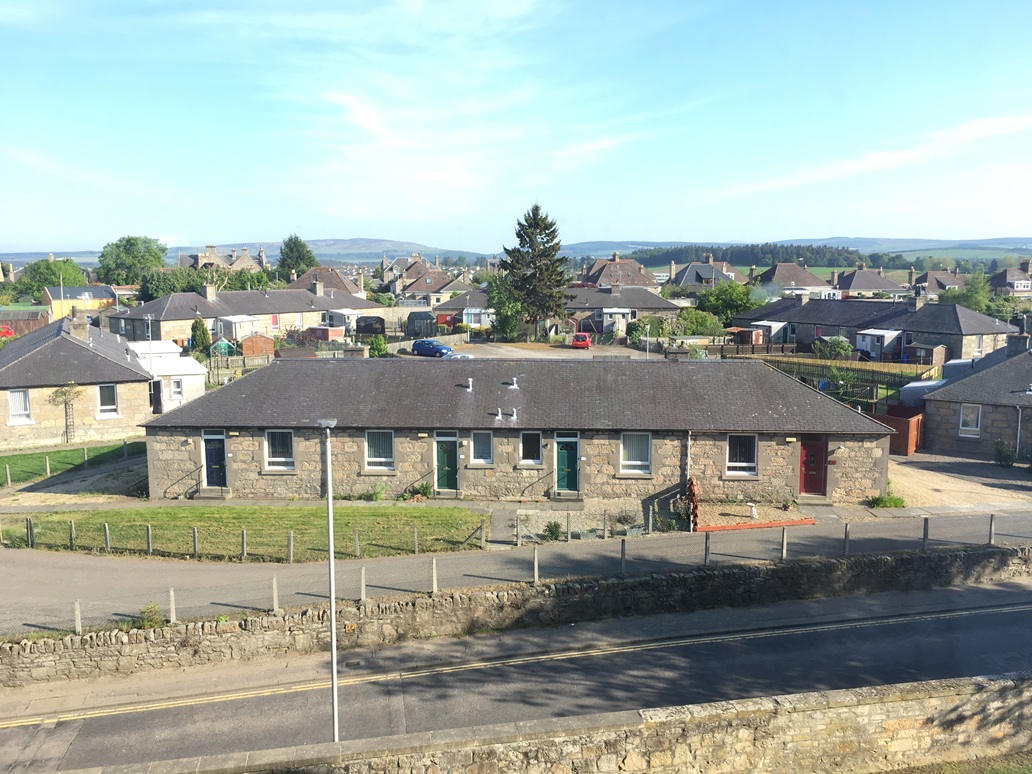
Moray Council has agreed its Housing Revenue Account (HRA) budget for 2026/27, confirming investment in council housing, progress on national housing standards, and the second year of its three‑year rent strategy.
The budget supports a wide programme of work to maintain and improve Moray’s 6,400 council homes, continue new build projects and ensure the long‑term sustainability of housing services.
As agreed in 2025, council house rents, garage rents and garage site rents will rise by 6% from April 2026. This is the second year of a three‑year strategy designed to keep Moray’s rents among the most affordable in Scotland while funding essential investment.
A total of £31.96 million will be spent on housing services in 2026/27, including £10.5m for repairs and maintenance; £3.86m capital contribution from revenue to reduce future borrowing; and £23.87m to continue the council’s new‑build programme with further allocations of £19.32m in 2027/28 and £10.6m in 2028/29.
The Housing Investment Plan focuses on meeting national standards and tenant priorities. Over the next three years, the programme includes:
- Replacement windows in 900 homes
- 300 kitchen and bathroom upgrades
- 300 additional bathroom upgrades
- Around 230 heating system replacements each year
This investment supports ongoing work to improve properties in line with the Scottish Housing Quality Standard (SHQS) and Energy Efficiency Standard for Social Housing (EESSH).
The council will hold HRA reserves of £1.5m, in line with its Housing Reserves Policy. This provides protection against risks such as inflation and interest rate changes.
A three‑year financial projection to 2028/29 confirms that the HRA remains sustainable, with borrowing and investment levels remaining within acceptable limits.
The budget continues to support the delivery of affordable homes across Moray. A total of 268 new build homes and 30 acquisitions are currently planned up to 2029/30. Work in 2026/27 will also explore regeneration projects to bring long‑term vacant or derelict properties back into use.
Cllr Amber Dunbar, chair of Moray Council’s Housing and Community Safety Committee, said: “This budget allows us to continue transforming housing in Moray, from improving the quality of our existing homes to supporting new developments that benefit families and communities. We are committed to listening to tenants, fostering opportunities for young people through apprenticeships and ensuring our housing services remain high performing and fit for the future.”
Cllr Paul McBain, deputy chair of the Housing and Community Safety Committee, added: “We’re investing heavily in our existing council housing while continuing to build new affordable homes and supporting tenants through difficult economic conditions.
“We know how important safe, warm and affordable housing is to our residents, and this plan ensures we can meet that responsibility in a sustainable and responsible way.”
The local authority has also confirmed its 2026/27 Council Tax after agreeing indicative rates until 2028 last year, to assist with more sustainable financial planning.
The Full Council confirmed the planned increase of 10% in 2026/27 and indicated the further 6% increase in 2027/28 is still their intention. This is an annual increase of £157.38 on a Band D property or £3.03 a week.
Around 80% of Moray Council’s budget comes from the grant awarded by the Scottish Government with the remaining 20% coming from Council Tax. The approved increase in Council Tax will increase the amount levied by £5.8m in 2026/27.
Council leader, Cllr Kathleen Robertson, said of the increase: “Decisions of this scale are never taken lightly, and we recognise the pressures households across Moray are already facing. However, the escalating cost of delivering essential services, particularly in social care, education and infrastructure, means that without this increase, we would be unable to protect the services our communities rely on most.
“We have worked hard to identify savings and efficiencies first, but the remaining financial gap is too significant to close without a rise in council tax. This step ensures we can continue supporting vulnerable residents, investing in our local economy, and maintaining the core services that keep Moray safe, supported and moving forward.”

Share this article:

Subscribe to our newsletter to not miss articles like this one:
 SUBSCRIBE